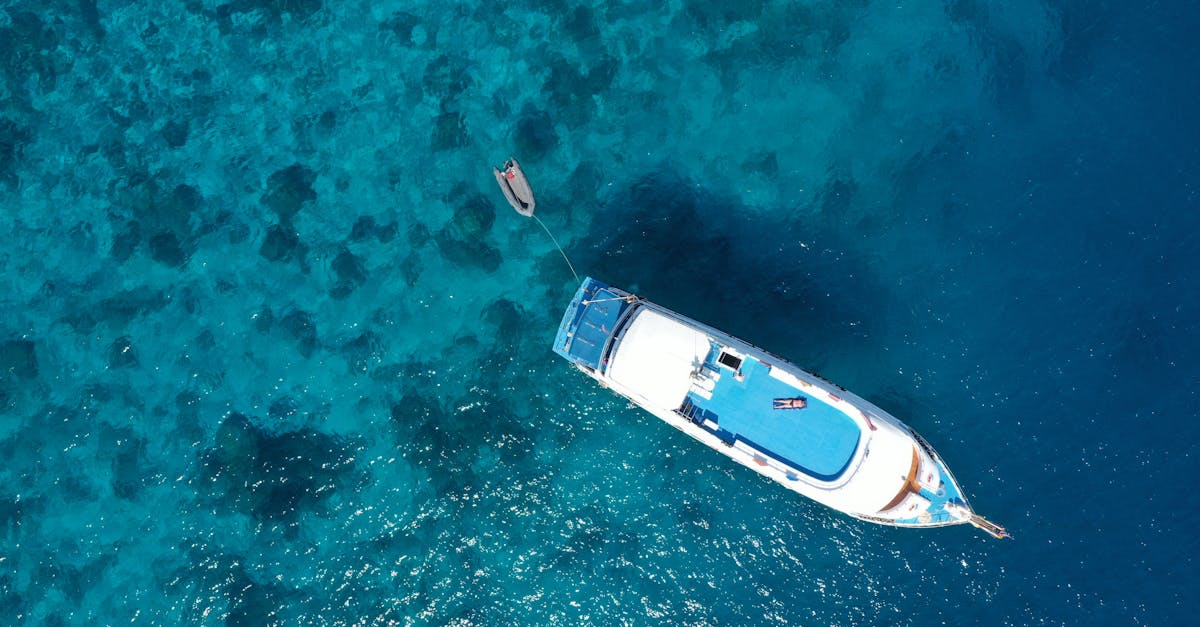
PADI Liveaboard Booking Checklist: The Fast Answer
Search demand around PADI liveaboard is close enough to page-one territory that this page needs to answer the booking decision immediately. Use the listing as a discovery surface, then confirm the boat, route, guide support, certification fit, cylinder and nitrox assumptions, rental gear, insurance, cancellation terms, and skipped-dive flexibility with the actual operator before you pay.
- Compare the trip shape with Liveaboard vs Dive Resort before choosing a boat because daily rhythm and rest matter as much as the destination name.
- Use the scuba dive trip packing list to separate carry-on essentials, rental assumptions, batteries, documents, and save-a-dive kit items before departure.
- Ask the operator whether the listed certification level is enough for the specific route, expected current, depth, night dives, wreck penetration limits, and recent-experience expectations.
Planning a PADI liveaboard usually feels like a booking decision, but the better first move is to treat it as a trip-fit check before you pay a deposit. The useful question is not which boat looks best on the listing page. It is whether the route, dive pace, conditions, and operator procedures fit the diver who will actually board it.
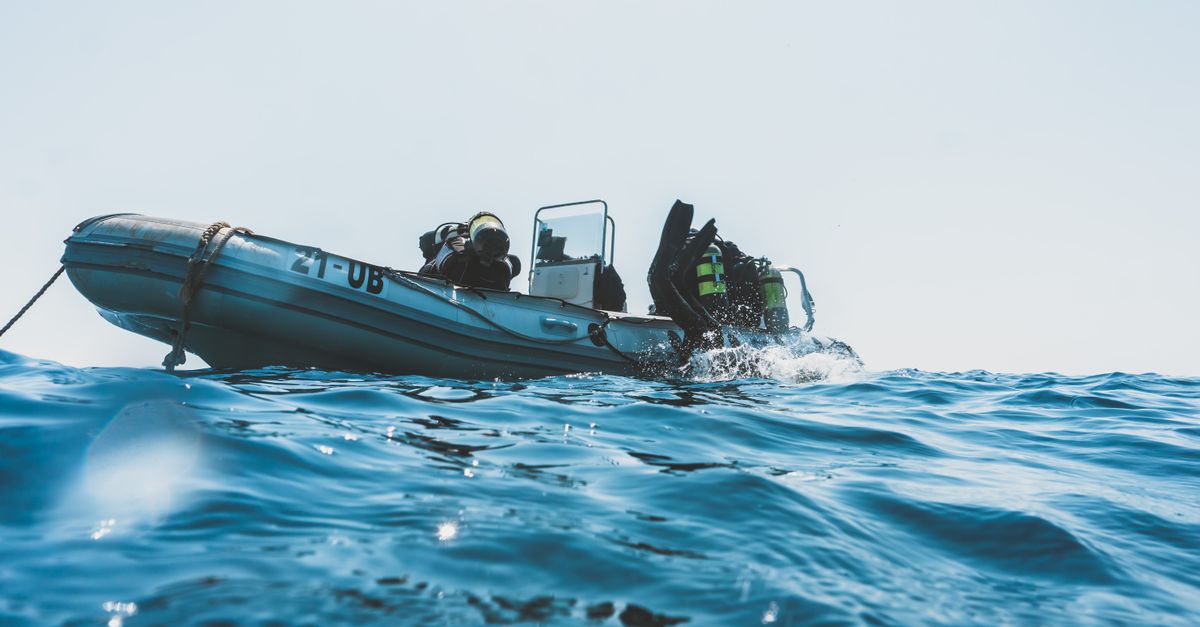
The short answer: use a PADI liveaboard listing as a starting point, then verify certification fit, recent diving, daily dive rhythm, safety procedures, gear assumptions, insurance, and cancellation terms in writing. If the crew cannot answer those questions clearly before payment, the listing is not enough evidence yet.
What A PADI Liveaboard Listing Can And Cannot Tell You
PADI Travel can help you browse liveaboard routes, cabin types, destination maps, and boat-level details. That is useful surface information. It still does not replace a written check of your own readiness, the operator’s real briefing standards, the hardest dive on the trip, or what happens when a diver wants to skip a dive, change gas choices, or slow the pace.
Separate three ideas that often get blended together. A trip may be listed through PADI Travel. A liveaboard may accept PADI certifications. A diver may hold a PADI card and still be rusty, tired, under-equipped, or poorly matched to a demanding itinerary. Those distinctions matter because a certification card is a starting point, not a guarantee that every dive on a multi-day boat will feel comfortable.
PADI Liveaboard Checklist Before You Pay
| Check | Evidence To Find | Question To Ask Before You Pay |
|---|---|---|
| Certification and recent diving | Required certification, minimum logged dives, check-dive policy, depth range, drift or night-dive expectations. | Which dive on this itinerary is the hardest one, and what experience do you expect for it? |
| Daily dive rhythm | Number of dives per day, night dives, surface intervals, no-dive day, final-dive timing before flying. | How often do guests skip dives, and how does the crew handle divers who want a slower pace? |
| Safety procedures | Briefing practice, oxygen, emergency action plan, missing-diver procedure, fire and abandon-ship drills. | What safety briefing happens before the first dive and before the first night onboard? |
| Gear assumptions | DIN or yoke, SMB, dive computer, torch, exposure suit, rental sizes, nitrox availability, spare parts. | What personal gear is mandatory, what can be rented, and what should I not assume is on the boat? |
| Travel and payment risk | Transfers, passport or visa needs, cancellation terms, weather policy, insurance expectations, route-change policy. | What happens if weather changes the route or I decide not to make a specific dive? |
A strong answer in one row can reveal a weak answer in another. A boat may have an exciting route and still be the wrong fit if the expected pace is four dives a day plus a night dive for someone who has not been in the water for a year. Another boat may look less dramatic online but be better for the diver who needs a calm check dive, reliable rental support, and a crew that is comfortable with skipped dives.
When The Liveaboard Includes The SS Thistlegorm
A northern Red Sea liveaboard that includes the SS Thistlegorm needs a route-specific check, not just a general vessel check. Compare the itinerary with SS Thistlegorm Day Trip vs Liveaboard, then send the Thistlegorm booking questions before paying for a wreck-focused week.
Match The Hardest Dive, Not The Average Day
The listing may describe the destination as a whole, but your plan has to focus on the hardest realistic dive on the trip: the deepest wreck, strongest current, lowest visibility, night dive, tender pickup, or first dive after travel. Ask whether that dive is optional, whether there is a warm-up site, and how the crew groups divers by comfort and experience.
Recent practice matters as much as agency name. A diver with Advanced Open Water, nitrox, and fifty logged dives may still need a conservative first day after a long dry spell. A newer diver may be happier choosing a resort-based trip first, then using Liveaboard vs Dive Resort to decide when the boat format is worth the intensity. The better plan is not the bravest one. It is the one you can repeat calmly after two days onboard.
Count The Dives, Then Count The Recovery Time
Liveaboard value often comes from access and repetition. That is also the trap. More dives per day can mean more nitrogen loading, more gear handling, more camera charging, more seasickness management, more sun exposure, and less patience for the final briefing. A real PADI liveaboard plan should include the dives you expect to skip, not only the dives you hope to make.
Build rest into the plan before the boat builds fatigue into it for you. Ask about surface intervals, meal timing, hydration, shade, camera table rules, and final-day timing. If you are flying soon after disembarkation, the flight buffer belongs in the trip plan before you book the last dive day, not in a hurried conversation at the end of the week.
Operator Safety Questions That Belong In Writing
DAN advises divers to pay attention to dive boat safety preparedness, briefing quality, hazard communication, and emergency planning. Its liveaboard safety tips also call out escape routes, life preservers, battery charging protocols, fire watch procedures, drills, and a small ready-to-grab kit. Those details sound unglamorous until the boat is remote and the answer has to be practical.
Send the operator a short written note before booking. Ask what the first onboard safety briefing covers, whether lithium battery charging is restricted to a charging station, how oxygen and emergency communication are handled, and what guests should do if they feel too tired for a dive. A professional answer does not have to be long. It has to be specific enough that you know the crew has a procedure, not just confidence.
Gear And Documents You Should Not Assume The Boat Will Solve
Pack the irreplaceable and personal-fit items as if the first dive day depends on them: certification proof, insurance details, medication or health documentation handled with professional advice, mask, computer, prescription lenses, exposure layer, SMB, and any device charger that would be difficult to replace. Rental BCDs and regulators may be fine, but rental sizes, DIN or yoke setup, computer expectations, and torch requirements should be confirmed before you travel.
This is where the liveaboard decision connects to the broader packing system. Use The Perfect Scuba Dive Trip Packing List for the full bag check, then use Questions To Ask A Dive Operator Before Booking A Trip for the email or chat thread that proves the assumptions are real.
Worked Example: Good Listing, Better Questions
Imagine a diver with PADI Advanced Open Water, nitrox, forty logged dives, and eight months since the last dive. A seven-night liveaboard looks perfect: famous reefs, a wreck day, optional night dives, and a good cabin price. The listing is not the problem. The missing plan is the problem.
Before paying, that diver asks about the hardest day, expected current, check-dive policy, daily dive count, rental exposure options, emergency action plan, and skipped-dive flexibility. If the answer shows a gentle first day, clear grouping, and no pressure to make every dive, the trip may fit. If the answer is vague or dismissive, the safer move is not another search filter. It is a different operator, a shorter route, or a tune-up trip first.
Where This PADI Liveaboard Plan Goes Next
A PADI liveaboard search becomes useful when it leaves you with fewer assumptions. First decide whether a liveaboard is the right trip format. Then ask the operator the concrete questions. Then pack for the first dive morning instead of the fantasy version of the trip. That sequence makes the booking calmer and gives the diver a plan that can survive weather, fatigue, and real boat life.
External references used for this refresh include PADI on vetting liveaboards, the PADI liveaboard FAQ, DAN dive boat safety guidance, and DAN liveaboard safety tips. Use them as source anchors, then let your operator, training, health situation, and local briefing control the final decision.