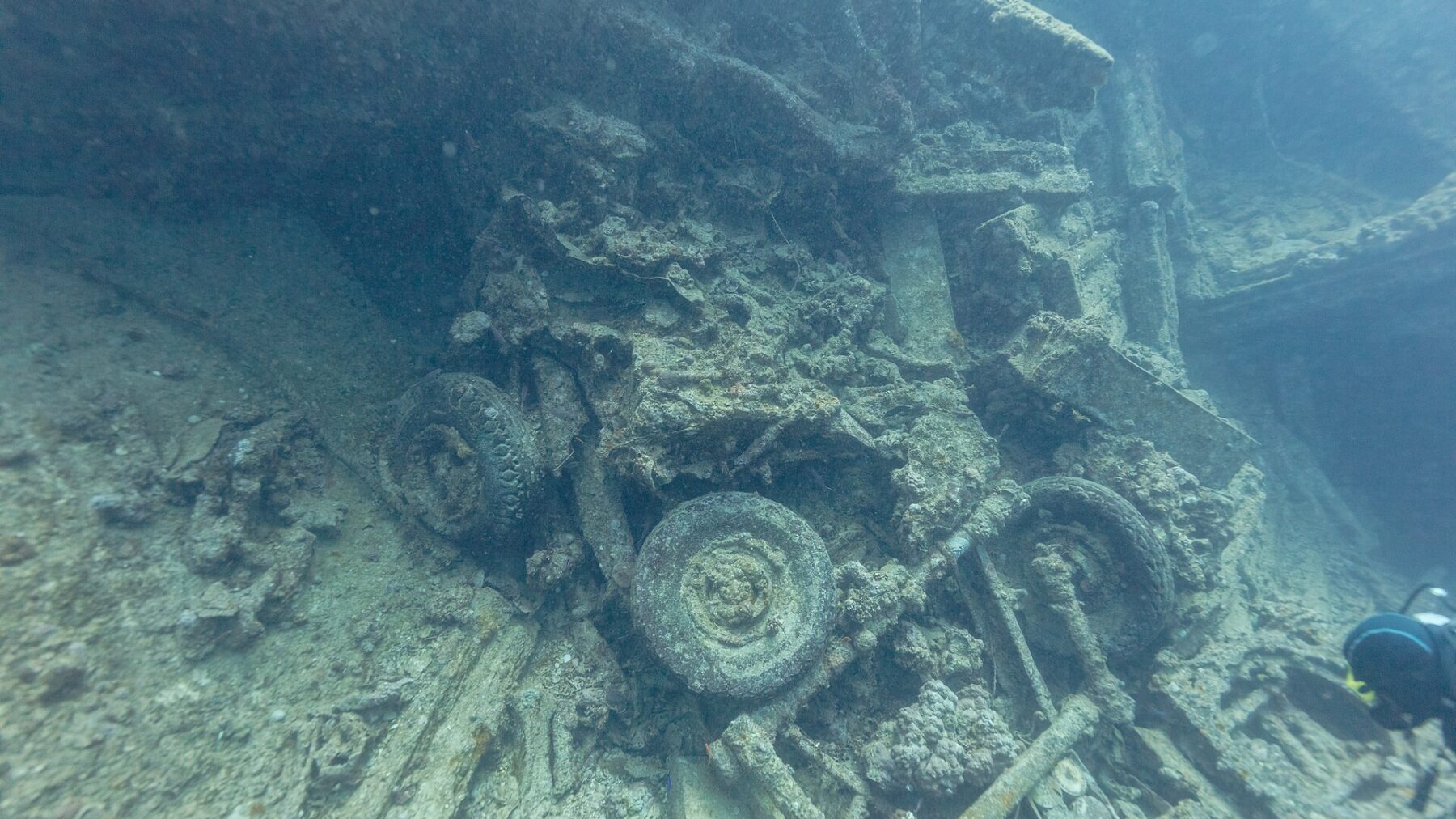
SS Thistlegorm Booking Questions: The Fast Use
Use this checklist after you have decided that the SS Thistlegorm belongs in the trip but before you pay a deposit. The goal is not to interrogate the operator. It is to make the route, boat day, wreck limits, and backup plan visible enough that you can choose between a day trip and a liveaboard without guessing.
If you are still choosing the access format, start with SS Thistlegorm Day Trip vs Liveaboard. If you need the wreck-specific depth, cargo, route, and etiquette context, read Dive The SS Thistlegorm. This page turns those two guides into a short pre-booking message.
Copy-And-Send Operator Questions
You can send the questions below as one email or use them as a call script. The best answers are specific, calm, and honest about uncertainty. Conditions can change, but a strong operator can still explain the usual plan and the decision points.
- Which departure point are you using, and what is the realistic hotel pickup, boat departure, and return window?
- How many SS Thistlegorm dives are planned, and is there a check dive or warm-up site before the wreck?
- What certification, logged-dive, recent-experience, depth-comfort, or nitrox expectations do you apply for this trip?
- What guide ratio do you use on the wreck, and how do you separate divers with different comfort levels?
- Will cargo-hold entry be optional, and what happens if a diver wants exterior-only wreck dives?
- What backup site, route change, refund, or reschedule policy applies if wind, current, visibility, or mooring pressure changes the day?
- Can a diver skip the second dive without pressure, and where do they wait during the surface interval?
- What emergency communication, oxygen, first-aid, fire, charging, and briefing procedures are used on the boat?
How To Read The Answers
A good answer does not have to promise perfect conditions. It should show that the operator understands the difference between an attractive itinerary and a realistic dive day. Specific timing, backup-site language, conservative wreck limits, and permission to sit out a dive are usually better signs than a confident promise that everything is easy.
| Answer pattern | What it may mean | Better next move |
|---|---|---|
| Clear departure, crossing, dive count, and return timing | The operator can describe the actual day rather than only the famous wreck. | Compare the plan against your recent diving, sleep, seasickness risk, and travel schedule. |
| Vague answers about Hurghada access or long transfers | The advertised route may be possible but not comfortable enough for your trip. | Ask again for the exact sequence or compare a Sharm plan and a northern Red Sea liveaboard. |
| Cargo holds treated as required | The operator may be pushing a route before knowing your training or comfort. | Choose an exterior-friendly plan or a different operator. |
| No clear backup site or cancellation policy | Weather and mooring uncertainty may become your problem after payment. | Do not pay until the policy is visible in writing. |
Day Trip Questions
For a Sharm day trip, fatigue is the main planning variable. Ask how early the pickup is, whether breakfast and water are realistic, how long the crossing usually takes, how the team handles current, and whether the second dive can become optional without awkwardness. A good day-trip plan should make the long day feel managed, not heroic.
For Hurghada access, be more skeptical until the details are clear. The question is not whether the wreck appears on an itinerary. The question is whether transfer time, crossing time, weather margin, and return time still leave enough energy for a controlled wreck dive.
Liveaboard Questions
For a northern Red Sea liveaboard, ask where the Thistlegorm usually sits in the route, whether a warm-up dive comes first, how many wreck dives are realistic, and what happens if the boat changes order because of wind or mooring pressure. Then ask the ordinary liveaboard questions too: cabin assignment, seasickness assumptions, charging rules, fire briefing, skipped-dive culture, and emergency communication.
The liveaboard answer is strongest when the Thistlegorm is part of a broader route that gives divers time to settle in. If the boat sells the wreck as the whole reason to book, check that the rest of the week still fits you if conditions force the route to change.
Safety And Wreck Boundaries
PADI lists the SS Thistlegorm as a wreck dive with a maximum depth of 32 meters, which is enough depth to make gas, current, group control, and descent discipline matter. DAN wreck-diving guidance also points to hazards such as disorientation, silt, entanglement, sharp structure, and training-dependent overhead decisions. Treat cargo-hold plans as optional until the local briefing, conditions, guide ratio, and your own training support them.
The safest booking posture is boring in the best way: exterior-first, conservative gas checks, no-touch wreck etiquette, permission to skip a dive, and no pressure to enter spaces you are not trained or comfortable to enter.
When The Answer Should Be No
Walk away or delay the booking when the operator cannot explain the actual route, avoids backup-site questions, treats all divers as interchangeable, dismisses fatigue, or makes wreck penetration sound mandatory. A famous wreck is not a reason to ignore an unclear plan. It is a reason to ask better questions before money, travel days, and diver confidence are committed.
Once the operator answers are clear, return to the day trip versus liveaboard comparison and choose the format that gives the dive enough margin. Then use the complete wreck guide to prepare for the briefing, route, cargo context, and underwater etiquette.
Sources To Keep Open
Use PADI SS Thistlegorm dive-site information for site context, DAN wreck-diving hazards for overhead and wreck-risk boundaries, and DAN dive boat safety guidance when checking the boat-day plan. These sources do not replace the local operator briefing; they help you ask sharper questions before you book.