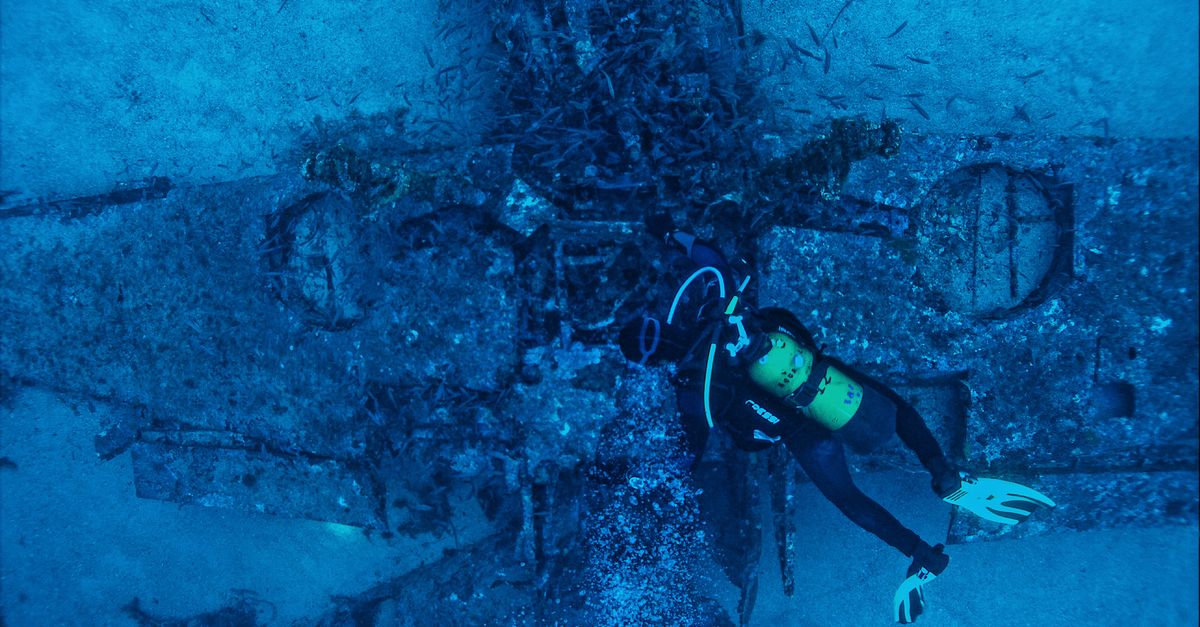
A Thistlegorm diving trip works best as part of a short Red Sea plan, not as a race from the airport to the wreck. From Sharm el-Sheikh, give yourself an arrival day, a local check dive, the Thistlegorm day, and a real surface interval before flying. That extra space lets you test weighting and equipment, see how the operator runs a boat, and arrive at the wreck with fewer unknowns.
The SS Thistlegorm is commonly reached from Sharm by a long day boat, while northern Red Sea liveaboards may build it into a multi-day itinerary. The better format depends on more than price. Compare departure time, crossing time, expected number of dives, guide ratio, cylinder and nitrox options, how groups are separated, and what happens if current, weather, crowding, or diver comfort changes the plan.
Put A Check Dive Before The Wreck Day
A checkout on a local reef is not wasted holiday time. It is where you discover that the rental BCD rides differently, a new mask fogs, your weighting estimate is off, the DSMB setup is unfamiliar, or your breathing rate is higher after travel. Those are ordinary problems on a simple dive and expensive distractions on a deep, busy wreck.
If you have been dry for months, say so before the boat is assigned. A certification card does not describe recent buoyancy, current experience, comfort at 30 metres, or readiness for a guided swim-through. Use the separate SS Thistlegorm readiness check to decide whether the wreck fits this trip at all. The itinerary page assumes that decision has already been made honestly.
A Four-Day Sharm Plan With Room To Change
| Day | Purpose | Decision to make |
|---|---|---|
| Arrival | Sleep, hydrate, assemble gear, confirm pickup and paperwork. | Do not schedule a demanding dive after a delayed or exhausting journey. |
| Local diving | Make a check dive and, if comfortable, a second ordinary reef dive. | Confirm weighting, gas use, equipment, guide communication, and current comfort. |
| Thistlegorm | Make the planned exterior dive and a cargo-focused second dive only if conditions support it. | Agree on route, maximum depth, turn pressure, penetration boundary, and backup site. |
| Surface interval | Rest, review the dives, and keep the flight buffer intact. | Do not let a late replacement dive consume the margin before air travel. |
This is a planning pattern, not a promise that every operator or flight schedule will fit it. Boats may leave before dawn, crossings can be long, and the site may be substituted when sea state or mooring conditions make the plan poor. Ask when the operator makes that call and whether the alternative is another wreck, a reef day, a reschedule, or a cancellation under the booking terms.
Separate Trip Logistics From The Underwater Plan
Three Dive Nomadic pages have different jobs. This page owns the Sharm trip sequence. The day trip versus liveaboard comparison helps choose the access format. The complete SS Thistlegorm wreck guide owns depth bands, gas checkpoints, exterior orientation, cargo-hold limits, and the two-dive underwater plan. Keeping those decisions separate makes each conversation with the operator shorter and clearer.
Before paying, send one compact message: “We are two divers with these certifications, logged dives, last-dive dates, usual gas, and wreck experience. Is a local check dive available first? On Thistlegorm day, how many dives are planned, how are groups divided, what penetration limits are used, and what is the weather or crowding backup?” Add equipment rental, nitrox, transfers, marine fees, and cancellation questions that affect your booking.
Protect The Flight Buffer Before You Book
Do not squeeze the final wreck dive against an airline departure. DAN’s flying-after-diving guidance suggests a minimum 12-hour preflight surface interval after one no-decompression dive and at least 18 hours after multiple dives in a day or multiple days of diving; longer intervals further reduce risk, and decompression dives need a more conservative plan. Your training, computer guidance, health, dive profiles, and professional advice still control the final decision.
A practical example: a boat returns late afternoon after two dives, but the flight leaves early the next morning. Even if the arithmetic appears close to a published minimum, delays, profile changes, omitted dives, illness, or a replacement dive can erase the margin. The better booking is usually a full non-diving day before departure, especially when the trip already contains repetitive diving.
Know What Would Make You Skip The Wreck
Write the stop conditions before enthusiasm takes over. Skip or simplify the plan if the check dive exposes poor buoyancy, equipment trouble, unexpectedly high gas use, seasickness, fatigue, anxiety in current, or a mismatch between the operator’s route and your training. An exterior-only dive can still be excellent. A different Red Sea site can be the right decision. The wreck will not become safer because it is famous or because the trip was expensive.
Also ask how the operator protects the site. Good answers cover installed moorings, no-touch expectations, cargo and artefact protection, group control, and a willingness to keep untrained divers out of true overhead environments. Use the SS Thistlegorm booking questions when you need the longer pre-deposit version of that conversation.
Save The Plan In One Note
Before travel, save one note with the check-dive date, Thistlegorm pickup time, boat contact, rental and cylinder choices, guide ratio, planned number of dives, route boundary, turn-pressure rule, backup site, return estimate, and flight time. Put the same essentials offline with certification and insurance details. A good Thistlegorm diving trip is memorable underwater because the surrounding travel plan is deliberately boring.