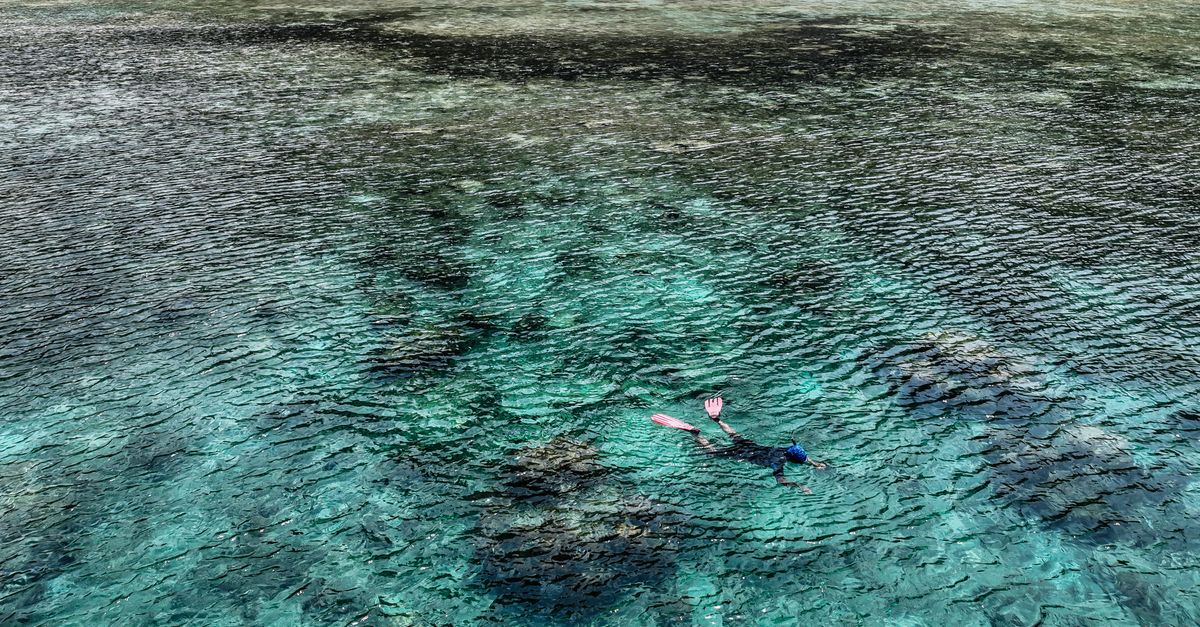
Most dive packing lists assume you are flying somewhere to do nothing but dive — four dives a day, boat food, bed by nine. A tropical vacation is a different animal: two or three dive mornings, then an afternoon in town, a beach day with the non-diving half of your group, a nice dinner, maybe a rental car. One suitcase has to serve both versions of you, and the failure mode is familiar: divers pack for the boat and spend the week sweating through technical shirts at dinner, or pack for the holiday and discover on dive two that they left the one thing that mattered at home. This list is built for the mixed trip. The gear core overlaps heavily with the the warm-water dive trip packing checklist, so this article deliberately spends its words on the vacation layer — the clothing, protection, and logistics that pure-dive lists ignore — and points to the general dive trip packing list when your trip is actually all diving. If you are sharing the week with someone who does not dive, planning a dive trip with a non-diving partner will shape the itinerary this suitcase supports.
Two packing principles govern everything below: pack for the hottest day you will tolerate and the coldest room you will sleep in, and put everything that cannot be replaced at the destination in your carry-on, full stop.


The Dive-Day Core: What Stays Non-Negotiable
The mixed trip does not shrink the dive kit — it shrinks your margin for error, because the shop at a resort may be two boat rides away. The non-negotiables: certification card and logbook (photos of both on your phone as backup), mask and snorkel fitted to your face, a rashguard or 1–2mm layer even if the water is bath-warm — sun exposure on a three-dive day will ruin the rest of your week — reef-safe sunscreen that you apply before the boat, not on it, and any personal comfort items like seasickness remedy that you know work for you. Regulators, BCDs, and computers are a judgment call on a resort trip: renting quality gear at a reputable shop is fine, but verify what the shop actually stocks before you decide, especially computers and wetsuit sizes — training agencies like PADI publish rental-and-gear guidance worth reading before you pack. One tropical-specific trap: booties and fins. Many resort boats run full-foot fins, so if you dive with adjustable fins and booties at home, either bring your own pair or confirm the rental situation — a week of blisters is a real cost. And a dry bag for the boat day is not optional in any sense that matters: phone, towel, and a dry layer for the ride back are the difference between a good dive day and a shivering one.
The Vacation Layer: Clothing For The Other Half Of The Trip
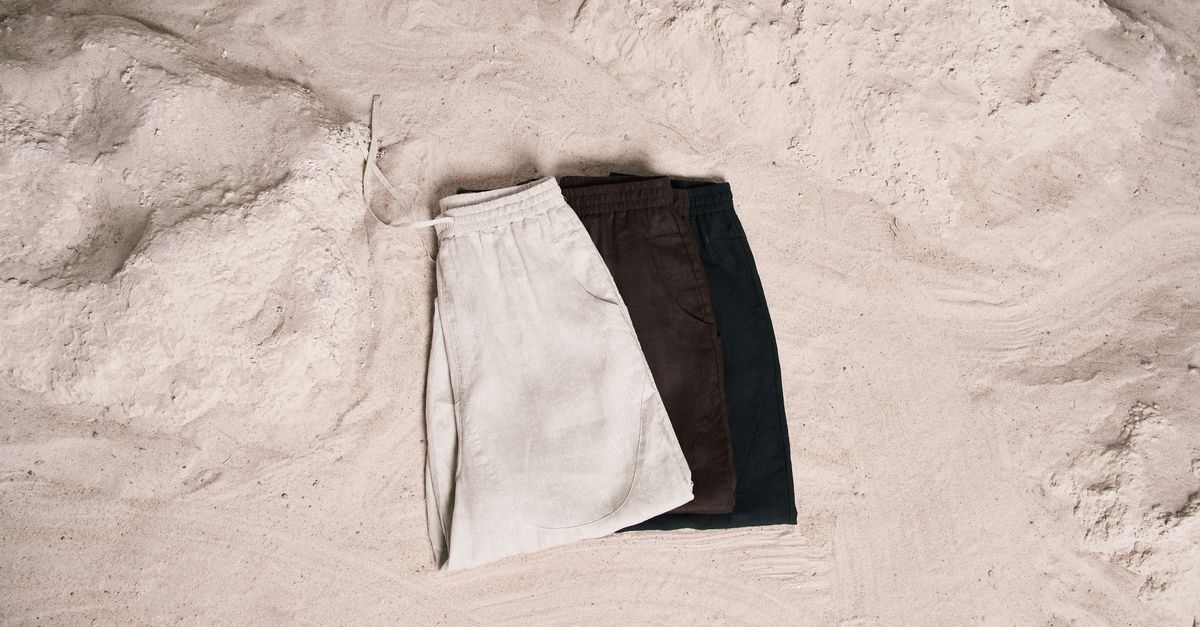
Here is where dive lists fail you. A tropical week needs a small, deliberate wardrobe that works at 32 degrees and 80 percent humidity, packs light, and survives a dive-boat morning without looking like it. The formula that works: two swim outfits (one always dry), two or three quick-dry tops that double as boat shirts, one pair of light shorts you can also swim in, one slightly nicer outfit for dinners — linen or a light dress, nothing that needs ironing because nothing in a tropical suitcase ever gets ironed — a light layer for air-conditioned restaurants and the flight home, and real walking sandals rather than flip-flops for town days. Footwear is the item people get wrong most: cobblestones, boat ladders, and reef entries all punish cheap flip-flops, and one sturdy pair covers all three. Add a packable hat with a real brim and sunglasses with a strap for the boat. Resist the temptation to fill remaining space; on a mixed trip you will re-wear favorites in rotation, and the hotel laundry is always cheaper than the overweight bag fee. The goal is a suitcase that opens onto a week of both dive days and vacation days without a single item that only works once.
Protection And Health: The Tropical-Specific Items
Tropical sun is a different substance from the sun at home, and water reflects it from below. The protection kit: reef-safe, mineral-based sunscreen in sufficient quantity — a bottle per person per week is not excessive on a diving trip, and many destinations ban non-mineral formulas outright, so check before you fly rather than at the shop. Lip balm with SPF, after-sun aloe for the day you misjudge it, insect repellent for dusk, and any personal medications in carry-on with a few days of buffer beyond the trip length. Hydration deserves planning on a mixed trip because the vacation half encourages beer-with-lunch while the dive half punishes dehydration quietly — headaches and post-dive fatigue are usually water problems. A small first-aid kit with blister plasters, rehydration salts, and motion-sickness tablets covers ninety percent of what actually goes wrong. Two items experienced travelers add: ear-drying drops if you are prone to swimmer’s ear, and a spare mask strap, because the one rental mask whose strap snaps at the surface will be yours. None of this is dramatic; all of it is the difference between a trip you describe as relaxing and one you describe as “mostly fine, but.”
Documents, Money, And The Carry-On Rule
The carry-on rule decides whether a lost suitcase is an inconvenience or a trip-ender: documents, medication, electronics, one full change of clothes, and your mask go in the cabin bag, always. The document set for a tropical dive vacation: passport with six months of validity beyond travel (a rule some countries enforce strictly), proof of onward travel where required, dive certification card plus insurance that covers diving — standard travel insurance often excludes it below certain depths, so read the policy rather than assume — and a card that works at destination ATMs plus a modest cash reserve for small operators who genuinely do not take cards. A waterproof document pouch earns its place on the first boat day when spray finds everything. Digital backups matter too: photographs of the passport, certification cards, insurance policy, and booking confirmations, stored offline on your phone. And one habit from the dive-specific world that transfers perfectly: write your accommodation’s address in local script somewhere offline, because “the resort with the blue gate” is not a destination a taxi driver can use. The full dive-trip version of this section, tuned for remote liveaboards, lives in the general the general dive trip packing list — but the carry-on rule is identical on every kind of trip, and it is the rule that matters most.
A Worked Example: One Week, One Checked Bag, One Carry-On
Watch the list compress into a real suitcase. The trip: seven nights at a Caribbean resort, three two-tank mornings, one full beach day, two town days, one dinner out. The carry-on takes the passport, certification card, insurance documents, phone and charger, medication, mask and snorkel, reef-safe sunscreen, the dinner outfit (it cannot be lost), and one full change of clothes. The checked bag takes two swim sets, three quick-dry tops, light shorts, walking sandals, flip-flops for the room, the rashguard, hat, sunglasses, dry bag, after-sun, insect repellent, ear drops, spare mask strap, and the small first-aid kit — roughly eleven kilograms, comfortably under any allowance, with room for the return journey’s additions. Notice what is absent: a regulator (rented from the verified shop), a wetsuit (the 1mm layer plus rashguard covers it), jeans (worn on the plane if insisted upon), and anything that only works on one day of the trip. That absence is the whole discipline of mixed-trip packing: every item earns its weight across at least two of the week’s versions of you, or it stays home. Run your own version of this pass against your itinerary — dive days on one side, everything else on the other — and the suitcase will essentially pack itself.
Print the two lists on one page, tick items off as they go in the bags, and keep the carry-on rule even when the flight is short and the airline feels trustworthy — it is the one rule this whole list never relaxes.