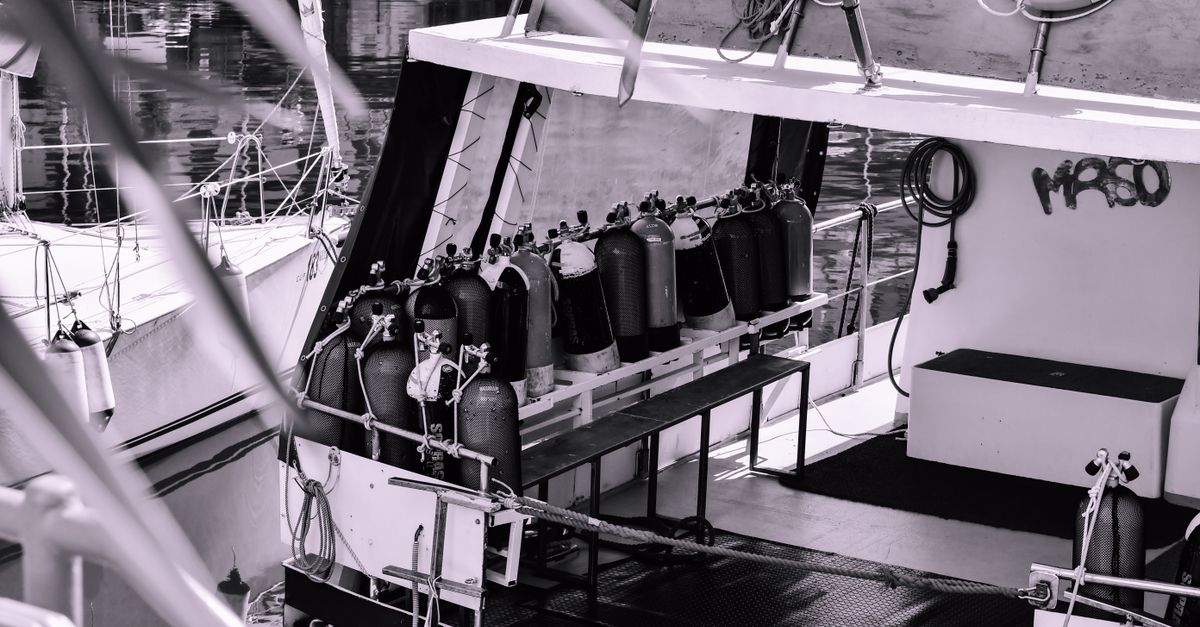
A dive trip packing list is only useful after you know what the operator expects you to bring. Before you start counting fins, lights, clips, and chargers, confirm the rental package, exposure protection, baggage limits, medical paperwork, and the conditions the boat is planning around.
Dive Nomadic has a separate full scuba packing list for the item-by-item version. This page has a narrower job: help you decide what to confirm before packing so the final bag matches the trip instead of a generic internet checklist.
Confirm The Dive Setup Before You Pack
The first decision is whether you are packing as a fully self-sufficient traveling diver, a mostly rental diver, or a mixed setup. A diver bringing mask, computer, SMB, and exposure layers but renting BCD and regulator needs different checks from someone flying with a complete kit. The operator can usually answer this quickly if you ask in operational terms.
Send one message before the bag comes out: which gear is included, which sizes are realistic, whether dive computers are required or rentable, what exposure protection most divers use this month, and what the boat wants carried in a dry bag rather than a suitcase. That message turns the packing list from wishful thinking into a trip-specific plan.
The Operator Message To Send Before Packing
Use this as a short script, then adjust it for the destination and your certification. Keep the tone practical; you are not asking the operator to plan your whole holiday, only to remove the guesses that change what goes in your bag.
- Which equipment is included in my package, and which items should I bring myself?
- What exposure protection are divers using for the planned sites this week or season?
- Are SMBs, reef hooks, lights, computers, gloves, or boots required, restricted, or strongly recommended?
- What paperwork, certification proof, logbook evidence, medical form, or insurance detail do you check before diving?
- Which items should be in carry-on because losing them would cancel or downgrade the first dive day?
Carry-On Space Belongs To Trip-Critical Items
A weak packing choice is to fill carry-on space with the nicest gear. A stronger choice is to protect the items that are hard to rent, hard to fit, or hard to replace before the first boat. For many divers, that means prescription mask, dive computer, certification card or app access, swimsuit, rash guard, essential medication, and any small item that would be difficult to buy on arrival.
Here is the worked application. If your checked bag vanishes for 24 hours in a warm-water destination, can you still make a safe first dive using rental BCD, regulator, fins, wetsuit, and weights? If the answer is yes because your mask, computer, certification proof, medication, and base layers are in carry-on, your packing plan is resilient. If the answer is no because your only mask or medical paperwork is in checked luggage, move it before adding convenience items.
Medical And Training Boundaries Are Packing Boundaries Too
Some packing decisions are really fitness, training, or local-conditions decisions. If a health condition, medication, long break from diving, anxiety, or injury could affect the trip, do not solve it by packing extra equipment. Review the operator requirements and current diver medical screening guidance before committing to the dive plan. The Divers Alert Network health status guidance, PADI downloads page for medical forms, and UHMS recreational diving medical screening resources are useful starting points for knowing when a physician review may be required.
The same applies to training. A light, camera, current hook, overhead environment, deep wreck, or strong-current site is not made appropriate because it fits in the bag. If the planned dives exceed your certification, recent practice, or comfort, the packing decision should become a trip-planning conversation with the operator.
Use The Main Packing List Only After These Answers
Once the operator confirms rental gear, exposure protection, required safety items, paperwork, and first-day logistics, move to the full item list. At that point, a printable packing list is helpful because the trip shape is known. Before that, it can create false confidence.
For example, a Red Sea wreck itinerary may push lights, SMB practice, computer familiarity, and repetitive-dive planning higher than a shallow reef holiday. A resort course add-on may make medical paperwork and operator fit more important than owning extra accessories. A liveaboard may make spares and charging more important because replacing one small part midweek is difficult.
When The Answer Changes The Bag
Three common cases show why this confirmation step deserves its own page. A diver with prescription lenses should protect the mask in carry-on because rental masks will not solve that problem. A diver joining a current-prone reef itinerary should ask whether an SMB, computer, reef hook, or gloves are expected, allowed, or prohibited locally before assuming a standard tropical kit. A diver returning after a long break should confirm paperwork and refresher expectations before spending luggage space on accessories that will not matter if the operator wants a checkout dive first.
The better packing list is the one that changes after those answers. If the operator says boots are unnecessary but a computer is mandatory, the bag should change. If the operator says rental wetsuits run small, the bag should change. If a medical form or insurance proof must be presented at check-in, the document belongs with the passport and certification proof, not in a gear pouch.
The Final Bag Check
Before closing the bag, write three lines: what the operator supplies, what you must personally carry, and what would change the dive plan if missing. Those lines reveal the real packing priorities faster than another long list.
Then use the related Dive Nomadic guides for the bigger planning jobs: the full scuba dive trip packing list for item-by-item packing, the carry-on dive gear checklist for flight resilience, and how to choose a dive operator when the answers you get are vague or evasive.