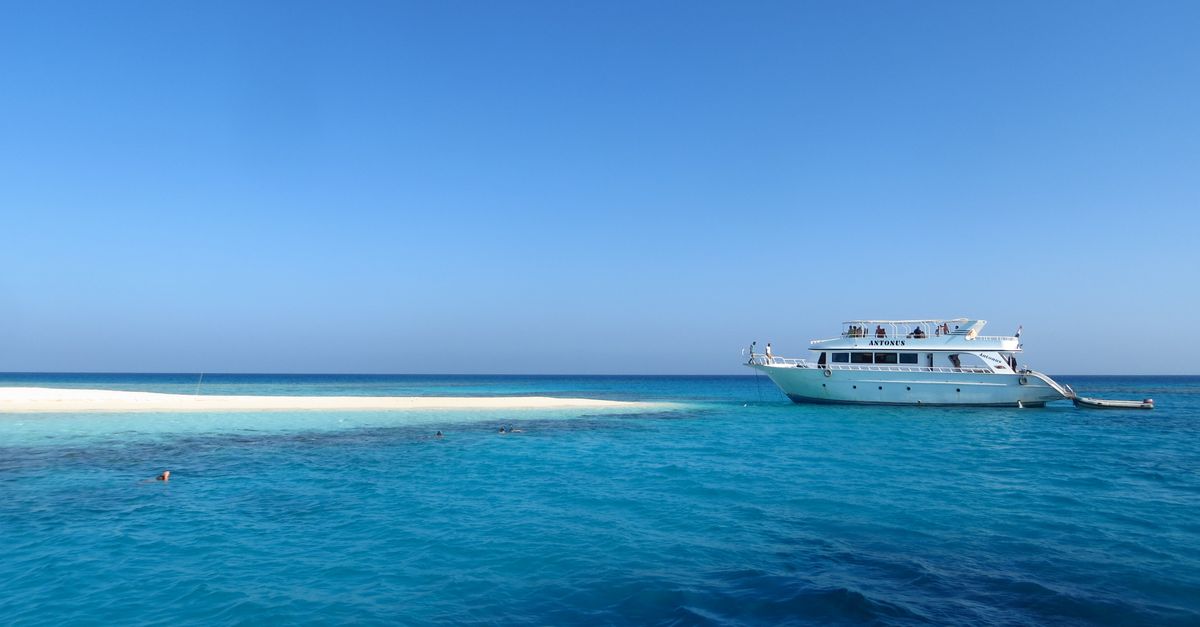
To plan scuba dive travel with a non-diving partner, choose a base where the non-diver has independent options, limit consecutive dive-heavy days, and agree before booking on mornings apart, shared afternoons, weather backups, and the trip format that both people can enjoy.
Choose The Base Before Choosing The Dive Package
The hard part of a mixed dive trip is rarely whether one person loves diving and the other does not. The hard part is that dive travel can quietly consume the best hours, the easiest transportation, and most of the planning attention. A good plan starts with the non-diver’s day before it starts with the boat schedule.
Make The Dive Morning Legible To The Person Staying Ashore
Choose the base with walking access, shade, food, bathrooms, and independent activities. A remote resort with beautiful reefs can still be a poor mixed-trip choice if the non-diver is stranded while the diver is offshore. A town with a reliable dive operator, a beach, a market, a museum, or simple transit may create a better week even if the dive site ranking is less dramatic.
Do Not Spend Every Good Hour Underwater
The diver should translate the dive morning into practical terms: departure time, return window, no-signal periods, seasickness risk, gear rinse time, and likely fatigue. “I’m diving in the morning” is vague. “I leave at 7:30, probably return by 1:00, need 30 minutes to rinse gear, and may not want a long hike after two tanks” gives the other person enough information to plan without waiting around.
Build A Weather Backup That Both People Like
The strongest mixed itineraries protect shared prime time. If diving takes the morning, plan a low-friction afternoon together. If the non-diver wants a full-day excursion, do not put it immediately after the most tiring dive day. A weak compromise gives both people the leftovers. A better compromise gives each person a few first-choice blocks and makes the shared blocks easy to enjoy.
A Four-Day Mixed Trip That Feels Shared
For a four-day coastal trip, one workable shape is arrival and town walk on day one, two-tank dive plus beach afternoon on day two, non-dive excursion on day three, and optional shore dive or snorkel-friendly boat on day four. That plan gives the diver real water time, gives the non-diver a day that is not organized around waiting, and leaves weather room if the sea state changes.
| Planning choice | Mixed-trip test | Better booking move |
|---|---|---|
| Resort location | Can the non-diver enjoy three hours without transport help? | Pick a walkable base or book fewer offshore mornings |
| Dive schedule | Does it take every morning and the diver’s afternoon energy? | Cap consecutive dive days and protect shared prime time |
| Last day | Could dive timing conflict with flights or travel fatigue? | Check operator and DAN timing guidance before promising plans |
Check Operator Rules Before Promising Flexibility
Before booking, check the operator’s certification, medical, cancellation, and companion rules. The PADI certification FAQ explains the baseline certification idea for divers, while DAN guidance on flying after diving is a useful reminder that travel timing matters after dives. Those rules affect what can be promised to a partner about the last day.
Keep The Next Trip Easier To Negotiate
After the trip, write down the pattern that worked: best meeting time, shore activity that was worth it, dive operator reliability, and the point where fatigue hurt the shared plan. Use that note before reading nearby guides such as Boat Diving vs Shore Diving and Liveaboard vs Dive Resort, because the right format may depend as much on the non-diver’s day as on the diver’s preference.
Worked Application For A Two-Diver-Morning Limit
Worked application: suppose the diver wants three boat mornings on a five-night island trip, while the non-diving partner wants one market day, one long beach afternoon, and dinners that do not feel like recovery meals. A balanced plan books two confirmed dive mornings, keeps one optional shore dive near the hotel, and protects the middle day for the non-diver’s first-choice excursion. If weather cancels a boat, the optional shore dive becomes the replacement instead of stealing the shared day. The trip still contains real diving, but the relationship does not depend on the non-diver waiting through every prime morning.
Start with the scuba dive trip planning checklist to settle certification fit, operator support, season, gear, and backup days. Then put the dive blocks, travel time, rinse time, nap risk, meals, and the non-diver’s independent activities on one calendar. Any day with no satisfying plan for the person ashore is unfinished, even when the dive schedule looks perfect.