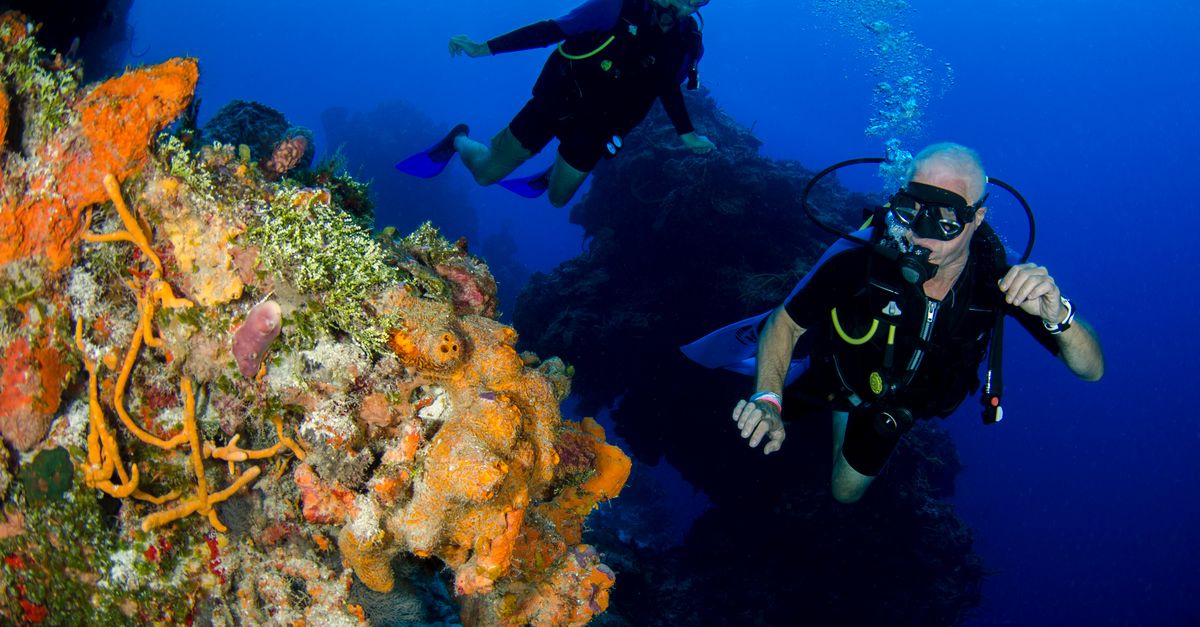
A dive trip weather backup plan is worth asking about before the deposit, not after the forecast changes.
Before booking, ask the operator what happens if wind, swell, visibility, current, storms, or port closures change the dive plan; then compare cancellation terms, alternate sites, non-diving days, insurance, and your own comfort limits.
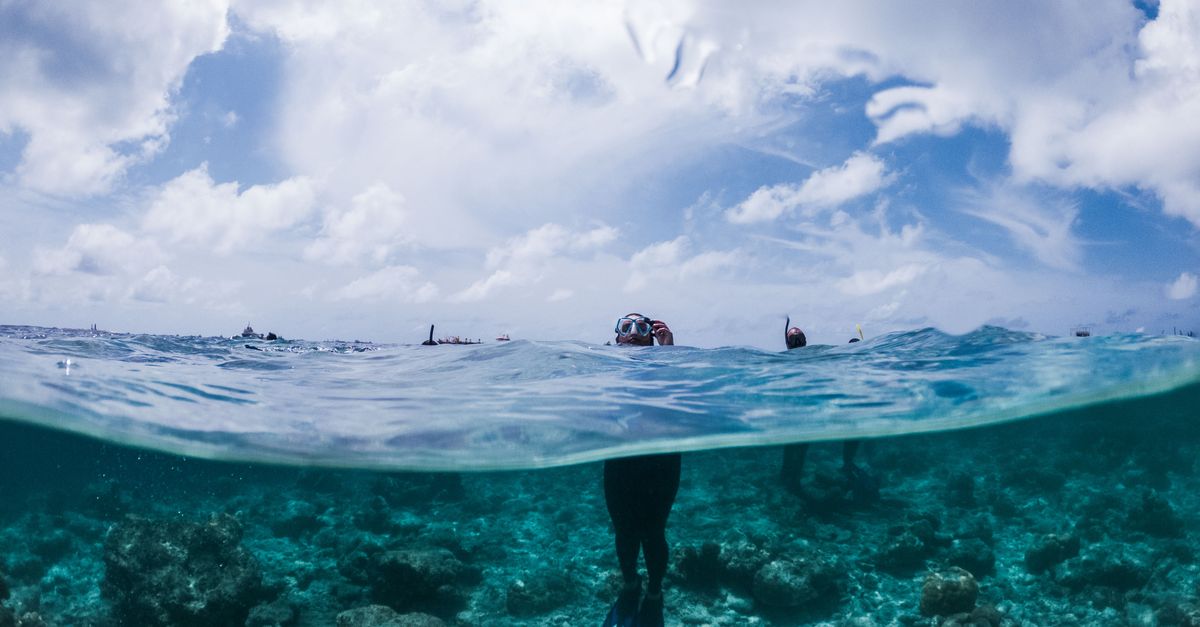
Decide How Much Weather Risk The Trip Can Absorb
The useful question is not which option looks best online. It is which choice fits the diver's recent practice, comfort, operator support, and the conditions that may actually appear on the trip.
The Weather-Change Question Script
Copy these questions into the email or chat with the dive operator before treating the plan as settled.
- How does dive trip weather backup plan before booking change by season, current conditions, or diver experience
- How are divers grouped by certification, recent practice, and comfort
- What happens if weather, visibility, current, gear, or comfort changes the plan
- Which costs, rental items, fees, tips, transfers, or cancellation terms are not included in the headline price
Ask How Weather Changes The Actual Dive Day
The useful question is not whether the destination has good diving in general. It is how the operator handles the days when conditions are not ideal.
In practice, the section should narrow the decision rather than add another checklist. Ask which conditions usually change site choice or boat departure. Confirm how divers are notified when the plan changes. Ask what happens when the alternative site is easier, harder, or less interesting.
Compare Backup Options Before Comparing Photos
A backup plan can protect the trip even when it does not protect every dive. Rest days, shore options, different sites, refunds, credits, and travel insurance all change the decision.
In practice, the section should narrow the decision rather than add another checklist. Read cancellation, refund, and reschedule terms before paying. Check whether the itinerary has a realistic non-diving day. Keep arrival and departure days less fragile when possible.
Know When The Answer Is Local
A web article cannot decide conditions for a specific diver on a specific day. Local briefings and qualified professionals own the final safety call.
In practice, the section should narrow the decision rather than add another checklist. Leave final site and safety decisions to the operator and local briefing. Pause if conditions exceed training, recent practice, health, or comfort. Use online planning to ask better questions, not to override local judgment.
Signals The Itinerary Depends On Perfect Conditions
If one of these mistakes shows up, treat it as a reason to ask sharper questions before booking. Dive travel is much easier to enjoy when uncertainty is named early.
The risks worth catching early are the ones that would change the reader decision. Booking the most photogenic itinerary without asking what happens in bad weather. Assuming cancellation terms are flexible because the operator sounds helpful. Forgetting non-diving companions, rest days, seasickness, transfers, or insurance.
Build Room For One Lost Dive Day
A weather backup plan becomes more useful when it assumes at least one dive day may change. That does not mean the trip is doomed; it means the itinerary should still make sense if the boat leaves later, an easier site replaces the headline site, or a non-diving day becomes the calmer choice.
The practical comparison is not only refund versus no refund. Divers should compare how the operator communicates changes, whether alternative sites match their training and recent comfort, and whether the travel schedule leaves enough energy for a changed plan. A cheap package with no room for weather can be more fragile than a slightly slower itinerary.
This is also where general advice has to stop. Current sea state, diver health, site access, group fit, and local rules belong with the operator, local briefing, and qualified professionals. The article can help a traveler ask better questions before booking; it should not make the final safety call from a screen.
Dive Safety Sources And Local Limits
Use these sources for dive travel and safety boundaries, then confirm current conditions and policies with the operator. Divers Alert Network travel resources. Use for dive travel risk and planning context. DAN dive safety resources. Use for safety-boundary context while keeping final decisions with qualified professionals.
Operator Answers That Change The Booking Decision
This article is for travel planning and decision support. It is not dive instruction, medical advice, decompression guidance, emergency advice, or a replacement for a local briefing.
Escalate the decision when general guidance cannot see the real situation. The expected conditions exceed the diver's training, recent practice, fitness, or comfort. Health, medication, injury, anxiety, or fitness questions affect the plan. The operator cannot clearly explain conditions, guide ratios, gear, or cancellation terms.
Recheck The Plan After The First Forecast Change
Review dive trip weather backup plan before booking before paying a deposit and again when local details arrive. A good dive plan should become clearer as operators answer questions, not more dependent on hope, old trip reports, or perfect conditions. For dive trip weather backup plan before booking, write one decision to keep, one uncertainty to verify, and one step to simplify before the next real cycle.
Nearby Dive Logistics Decisions
Read next: Beginner-Friendly Dive Destinations: A Practical Planning Checklist. Read next: Boat Diving vs Shore Diving: How To Choose The Right Trip Format. Read next: Carry-On Dive Gear Packing Checklist For Dive Travel. Read next: How To Choose A Dive Operator For Your First Dive Trip. Read next: How To Compare Dive Destinations By Skill Level. Read next: Dive Operator Briefing Questions To Ask Before The First Dive.
A good weather backup plan does not guarantee dives; it shows whether the trip still makes sense when the sea, schedule, or operator plan changes.