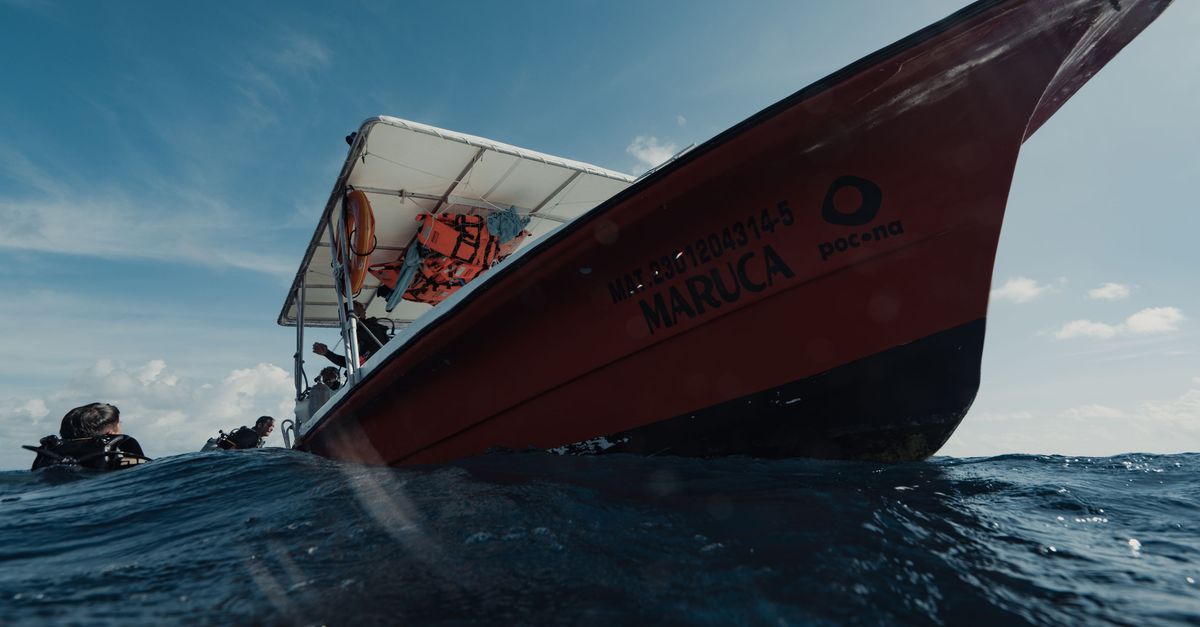
Before the first dive, the briefing should tell you whether the operator plan, site conditions, emergency process, gear setup, and your recent experience fit the dive in front of you.
Treat The Briefing As A Go Or Pause Decision
A dive briefing is not just a ritual before everyone enters the water. For a traveling diver, it is the moment when the marketing version of the trip becomes a real dive with current conditions, a named plan, a group, and limits. The useful question is not whether the operator sounds confident; it is whether you can explain the dive back in plain language.
Listen for depth range, expected current, entry and exit method, boat pickup or shore return, gas checks, buddy procedure, lost-diver procedure, and the signal for ending the dive. If any part is vague, ask before gearing up. A clear operator will usually prefer a direct question over a diver pretending to understand.
Questions That Reveal The Actual Dive Plan
Start with the site: what changed today compared with the normal version of this dive? That question invites the guide to mention visibility, current, surge, boat traffic, temperature, route changes, and marine-life boundaries. Then ask what would make the team change or cancel the dive. The answer tells you how conservative the operator is when conditions drift.
Next, ask how the group will be managed underwater. A first dive after travel often includes mixed experience levels. You want to know the maximum depth, expected time, guide position, buddy expectations, turnaround pressure, and how the operator handles a diver who reaches gas limits early.
Dive Briefing Decision Table
Use this table before the first descent. It keeps the questions close to decisions you can actually make on the boat or shore, instead of producing a long list that nobody remembers once the wetsuit is on.
| Briefing point | Good answer sounds like | Pause if you hear |
|---|---|---|
| Conditions | Today-specific current, visibility, entry, exit, and weather notes | Only generic site praise or old conditions |
| Group control | Depth, time, guide position, buddy plan, gas turn pressure | No clear plan for separated or low-air divers |
| Emergency process | Oxygen location, boat contact, evacuation route, staff roles | Jokes, shrugs, or unclear responsibility |
| Personal fit | Space to declare recent experience, nerves, health limits, gear questions | Pressure to continue without answers |
A Worked First-Dive Conversation
Imagine a diver certified two years ago who has not been in the water for eight months. The operator says the first dive is easy, but the briefing mentions mild current and a negative entry. The weak default is to stay quiet because everyone else seems ready. The better choice is to say, “I am current on certification but rusty. Where should I position myself, and what is the plan if I need a slower descent?”
That question is not difficult or dramatic. It gives the guide information that changes group management. It may lead to a different buddy, a slower entry, extra weight check, or a decision to sit out. All of those outcomes are better than discovering the mismatch at depth.
Boundaries A General Dive Article Cannot Decide
A web guide cannot clear a diver medically, judge local conditions from shore, replace training standards, or override the dive professional responsible for the trip. If medication, recent illness, panic, equalization problems, or emergency procedure is part of the decision, treat the briefing as a prompt to ask the operator and appropriate medical or training professionals.
For broader safety context, compare the operator briefing with Divers Alert Network safety resources and the trip-planning expectations shown in PADI travel resources. Use those sources to sharpen your questions, not to argue the site conditions from a distance.
How This Connects To Other Dive Nomadic Planning
If the briefing reveals a mismatch, the next article depends on the problem. Newer divers can step back to beginner-friendly destination planning. Divers comparing trip format can use boat versus shore diving. Packing uncertainty belongs with the carry-on dive gear guide.
The point is to leave the briefing with one clear decision: dive as planned, dive with an adjusted role, ask for more help, or skip the dive. A missed dive is disappointing. A dive started without understanding the plan is the more expensive mistake.