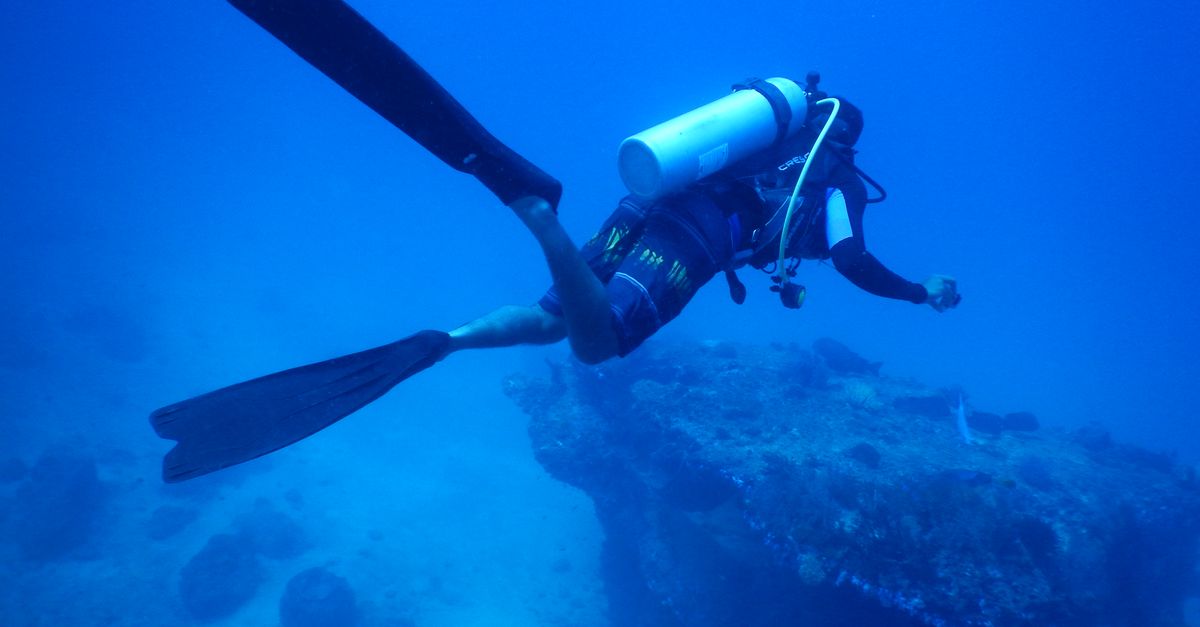
The best scuba certification agency for travel is usually the one that gives you good instruction, recognized documentation, local practice options, and a realistic path to the dives you want next. PADI, SSI, NAUI, SDI, RAID, CMAS, and BSAC can all lead to legitimate recreational diving. The agency logo matters, but it should not be the only decision.
For most new dive travelers, the better question is: which instructor, dive center, schedule, and training environment will make me a safer and calmer diver six months from now? A widely recognized card helps when you book abroad. Good teaching, local support, and recent practice are what make that card useful in the water.
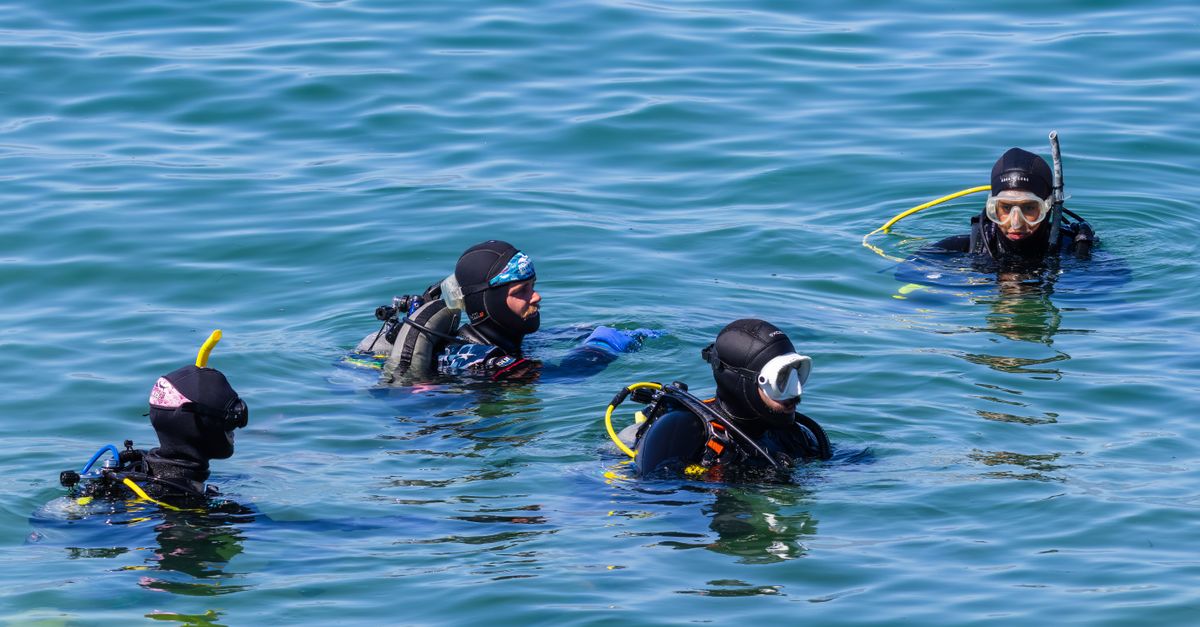
PADI, SSI, NAUI, SDI, RAID, CMAS, And BSAC: The Travel Question
A traveler comparing agencies often wants a simple winner. The practical answer is more grounded. PADI and SSI are widely visible in resort and travel markets. NAUI, SDI, RAID, CMAS, and BSAC may be excellent fits depending on location, club culture, instructor, digital materials, standards, and the kind of diving you expect to do.
Before choosing, check whether operators in your likely destinations recognize the certification level, whether your local dive shop supports continuing practice, and whether the course includes enough confined-water comfort before open-water dives. Recognition is useful, but confidence is built during training, not in the logo on the card.
Agency Comparison For New Dive Travelers
| Decision point | What To Compare | Better Travel Choice |
|---|---|---|
| Recognition abroad | How often the agency appears with operators in your likely destinations. | Choose a card that destination operators understand without long explanations. |
| Instructor quality | How the instructor teaches buoyancy, anxiety, buddy checks, and problem solving. | Choose the instructor you trust, not only the most familiar logo. |
| Local practice | Pool access, fun dives, refresher options, and shop support after certification. | Choose the system that keeps you diving after the course. |
| Course format | Schedule, e-learning, water time, group size, and weather flexibility. | Choose the format that lets you learn calmly rather than rush. |
| Next dive year | Whether you want resort dives, local quarry practice, club diving, liveaboards, or specialties. | Choose the route that supports the diving you will actually do next. |
Weak Choice vs Better Choice
Weak choice: “Everyone says PADI, so I will book the cheapest PADI course I can find.” Better choice: “PADI is widely recognized where I want to travel, and this specific instructor gives enough pool time, clear safety habits, small groups, and local practice dives after certification.” The second version still values recognition, but it does not confuse recognition with training quality.
Another weak choice is treating a less familiar agency as automatically worse. If a strong local club teaches under BSAC or CMAS, offers regular practice, and helps new divers build experience, that may be better than a rushed course with a famous logo and no follow-up. The agency decision is strongest when it is attached to real water time.
Worked Example: Choosing Before A Tropical Trip
Imagine a traveler who wants to take a first warm-water dive trip in six months. There is a cheap weekend course two hours away, a local SSI shop with weekly pool time, and a PADI center that runs monthly shore dives. The best choice is not automatically the shortest course. The traveler should ask who teaches buoyancy slowly, which shop can schedule a refresher before travel, and which certification the destination operator expects.
If the PADI center offers good instruction and travel support, it may be the cleanest travel path. If the SSI shop gives more local practice and the destination operator accepts SSI without issue, SSI may be the better real-world choice. If a club route gives months of mentored dives before the trip, that can beat a faster certificate for confidence. The right answer is the training path that makes the first travel dives less fragile.
Questions To Ask Before Paying For Any Course
- How many students are in the class and how much confined-water time is included?
- Who teaches the course, and how do they handle students who need more time with buoyancy or mask skills?
- What certification level will I receive, and will operators in my intended destination recognize it?
- Can I do a refresher, pool session, or easy local dive before my first travel trip?
- What gear is included, what must I buy, and what should wait until I know my diving style?
How This Connects To Dive Travel Planning
Once the agency decision is made, the travel plan still needs a fit check. Use the first dive trip planning checklist to match the course result to destination conditions, choosing a dive operator for a first trip to evaluate local support, and beginner-friendly dive destinations when the next step is picking a place rather than a training logo.
Official Agency Starting Points
Use official course pages as starting points, then verify details with the instructor or dive center that will actually train you: PADI Open Water Diver, SSI Open Water Diver, NAUI Open Water Scuba Diver, SDI Open Water Scuba Diver, RAID Open Water 20, CMAS One Star Diver, and BSAC Ocean Diver.
The decision standard is simple: choose the agency and instructor combination that gives recognized proof, enough practice, clear safety habits, and an obvious next step after certification. That combination matters more than winning an agency argument online.