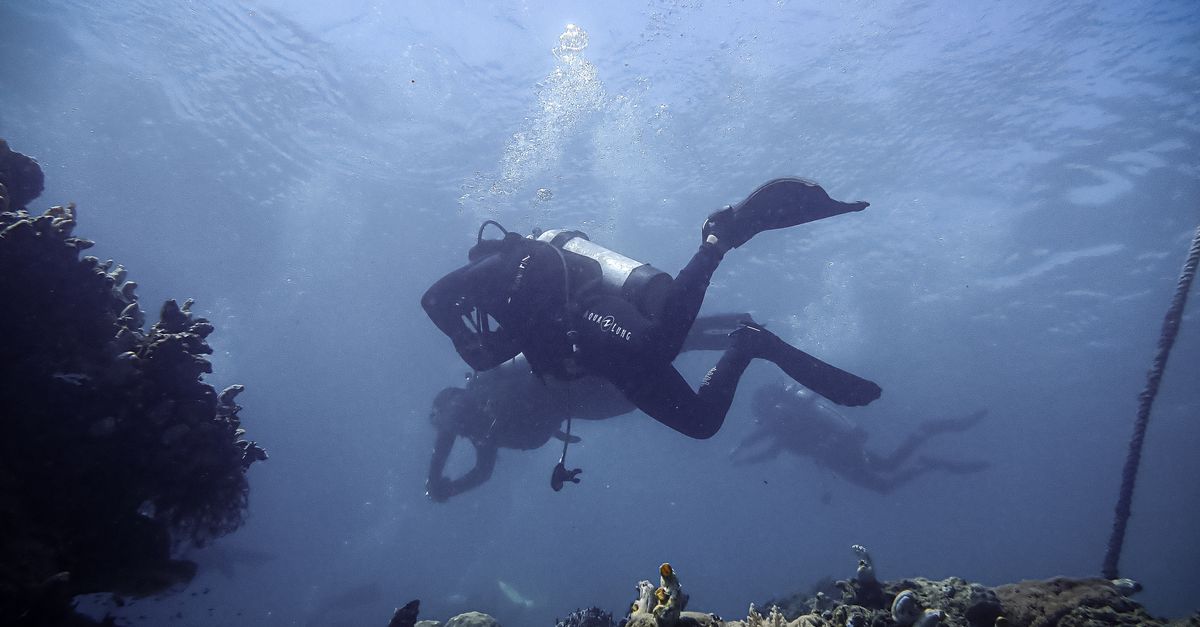
Check the operator's environmental rules, buoyancy expectations, group size, mooring practices, wildlife policy, waste handling, and local community posture before paying a deposit.
Responsible dive tourism begins before a diver packs fins. The important decision is not whether a destination looks pristine in photos; it is whether the operator, boat routine, diver behavior, and local rules reduce avoidable stress on the reef and the people who depend on it. A beautiful itinerary can still be a poor choice if the daily practices are careless.
Judge The Operator Before The Itinerary
The operator is the first filter. Look for plain rules about touching coral, feeding wildlife, chasing animals, gloves, reef hooks, buoyancy, and group control. If the sales page promises close encounters but says little about diver conduct, ask direct questions before booking. Vague answers are not automatically disqualifying, but they mean the diver must slow down before paying a deposit.
Buoyancy is not only a skill-card issue. A diver who is overweighted, rusty, or using unfamiliar camera gear can damage fragile sites even with good intentions. Reef-safe planning may mean choosing an easier first dive, taking a refresher, leaving the big camera behind, or telling the guide honestly that trim and air control need a conservative profile.
Make Buoyancy Part Of The Booking Decision
Wildlife rules matter most when the animal is exciting. Mantas, turtles, sharks, dolphins, and macro subjects all attract crowding. A responsible diver lets the guide manage distance, avoids blocking an animal's path, and refuses the little shortcuts that make a photo better at the animal's expense. The best memory is not the closest frame; it is the encounter that did not change the animal's behavior.
Boat practice deserves a specific question. Ask whether the site uses moorings, how anchoring is avoided near coral, what happens with trash, and how briefings handle currents or sensitive entry points. The answer does not need to sound polished. It needs to show that the crew has a routine for preventing contact, not only a hope that divers behave.
Keep Wildlife Encounters From Becoming Pressure
Local impact is harder to judge from a distance, but it should still be part of the choice. Operators that hire locally, respect marine-park rules, pay required fees, and explain site limits usually make better partners for a trip. Bargain hunting can become expensive when the discount depends on weak safety, weak stewardship, or pressure on local workers.
Ask How Boats Handle Anchoring And Waste
For example, use a simple before/after pass: before acting, name the current responsible dive tourism assumption, the evidence visible today, and the cost of being wrong; after that pass, choose one bounded next move that can be checked again later.
Use this compact check during planning or review. It is intentionally short so the decision stays visible instead of becoming another broad checklist.
| Check | Evidence | Next move |
|---|---|---|
| Operator briefing | Clear no-touch, no-chase, and buoyancy expectations | Book only if the rules are explained before the dive |
| Boat practice | Mooring or anchoring policy is named | Ask how reef contact is avoided at the site |
| Wildlife | Photos do not require crowding animals | Keep distance even when other divers move closer |
| Local benefit | Crew and community role is visible | Prefer operators that respect local rules and livelihoods |
Match Souvenirs And Photos To Reef-Safe Behavior
The post-dive review is useful because memory is fresh. Note whether briefings matched what happened in the water, whether guides corrected poor behavior, and whether the boat left the site cleaner than it arrived. That note helps decide whether to return, recommend the operator, or choose differently next time.
Useful references for this article: Green Fins diver guidance and NOAA coral reef protection guidance. Use them for boundaries when responsible dive tourism touches safety, platform behavior, money, travel, or technical accuracy.
Review The Trip While Details Are Fresh
Green Fins and NOAA both emphasize practical behavior: control buoyancy, do not touch coral, avoid disturbing wildlife, and reduce pollution. Those are simple ideas, but they only work when they shape booking decisions as well as underwater etiquette.
For a nearby same-site decision, continue with questions to ask a dive operator when that question is the next practical step.