01
Dive Travel Planning Guides
Choose the next guide by trip fit, operator questions, packing, liveaboards, and safety boundaries.
Independent dive travel planning without the hype
Choose the next guide by trip fit, operator questions, packing, liveaboards, and safety boundaries.
Use calculators and reference tables as planning aids, not as dive-computer, training, or briefing replacements.
Check certification fit, daily pace, operator support, gear assumptions, insurance, and cancellation terms.
Compare day trips, liveaboards, boat time, repeat dives, fatigue, and backup plans before booking.
Dive the SS Thistlegorm with a practical wreck guide covering depth, gas, cargo holds, route choices, day-trip versus liveaboard logistics, and operator questions.
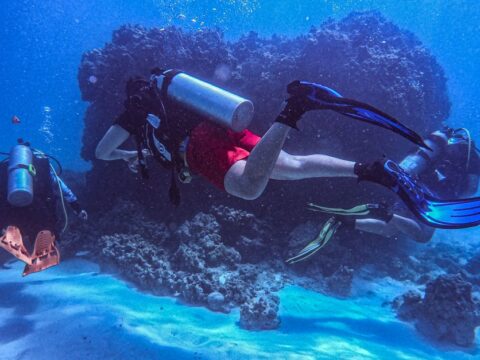
Compare boat diving and shore diving by access, conditions, support, costs, and comfort before choosing a trip format.
Compare dive destinations by matching recent dives, conditions, operator support, and bailout choices before choosing the most exciting site.
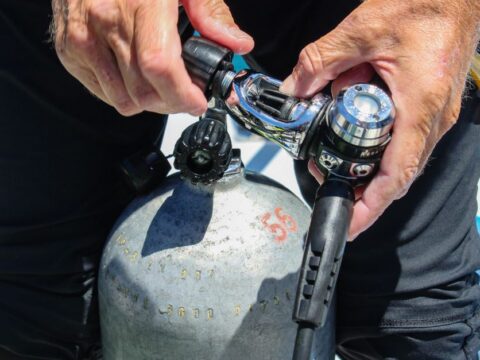
A practical dive travel comparison for deciding which scuba gear to rent, which pieces to pack, and what to confirm with the operator before departure.
Plan dive travel by comparing season, visibility, water temperature, exposure protection, operator backup sites, and your own comfort before booking dates.
Use these dive operator questions before booking to check route timing, guide ratio, current, backup sites, skipped-dive culture, emergency planning, and fit for your experience.
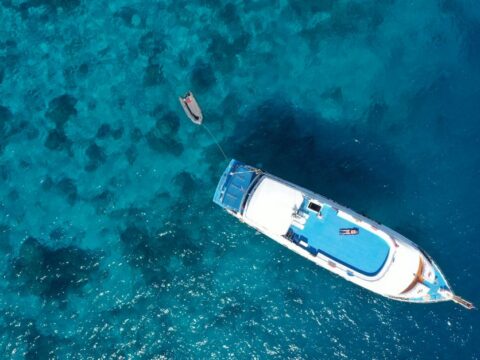
Choose liveaboard or dive resort by comparing remote access, dive pace, cabin comfort, rest days, non-diving companions, weather flexibility, and PADI liveaboard fit.
A planning checklist for certified beginners comparing dive destinations by conditions, operator support, travel logistics, supervision, backup plans, and honest comfort level.
A first-trip diver checklist for comparing dive operators by safety briefing, group size, equipment care, cancellation terms, and local conditions.
Use this carry-on dive gear packing checklist to protect documents, batteries, dive computer, mask, prescriptions, and first-dive essentials.