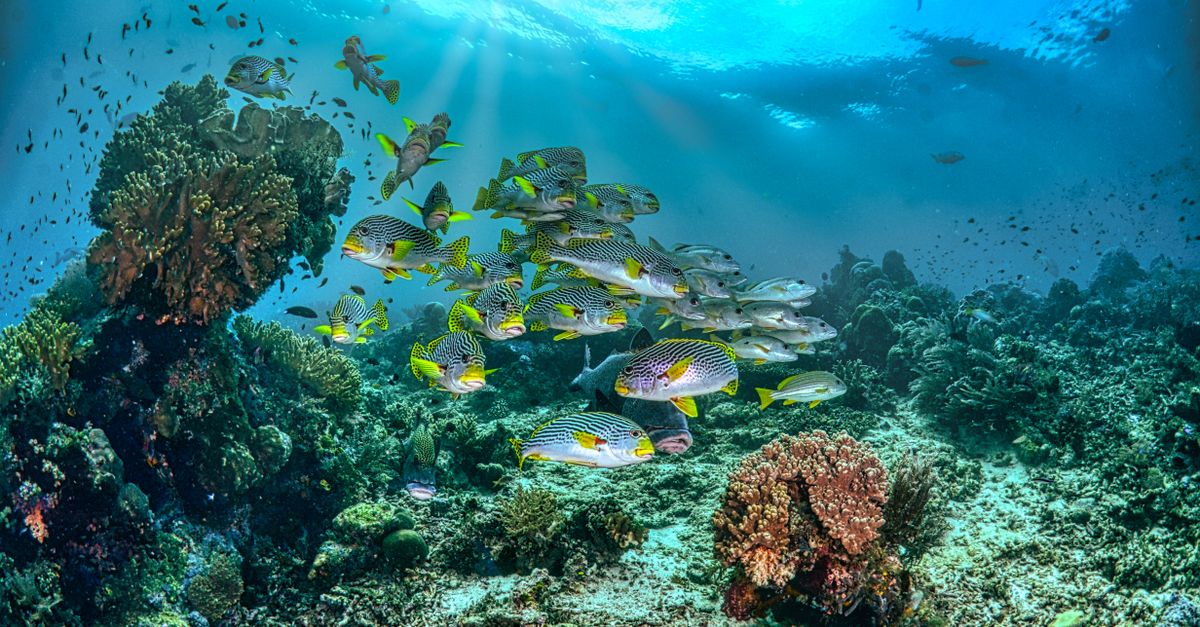
Seasonal dive planning starts with a specific trip goal. A photographer chasing clear water, a newer diver hoping for gentle conditions, and a wreck diver prepared for current should not read the same weather note the same way.
The practical question is whether the likely conditions match the divers, dates, and operator plan you actually have. Visibility averages, water temperature, rainy seasons, plankton blooms, current windows, and boat logistics all matter, but none of them is useful without a backup choice.
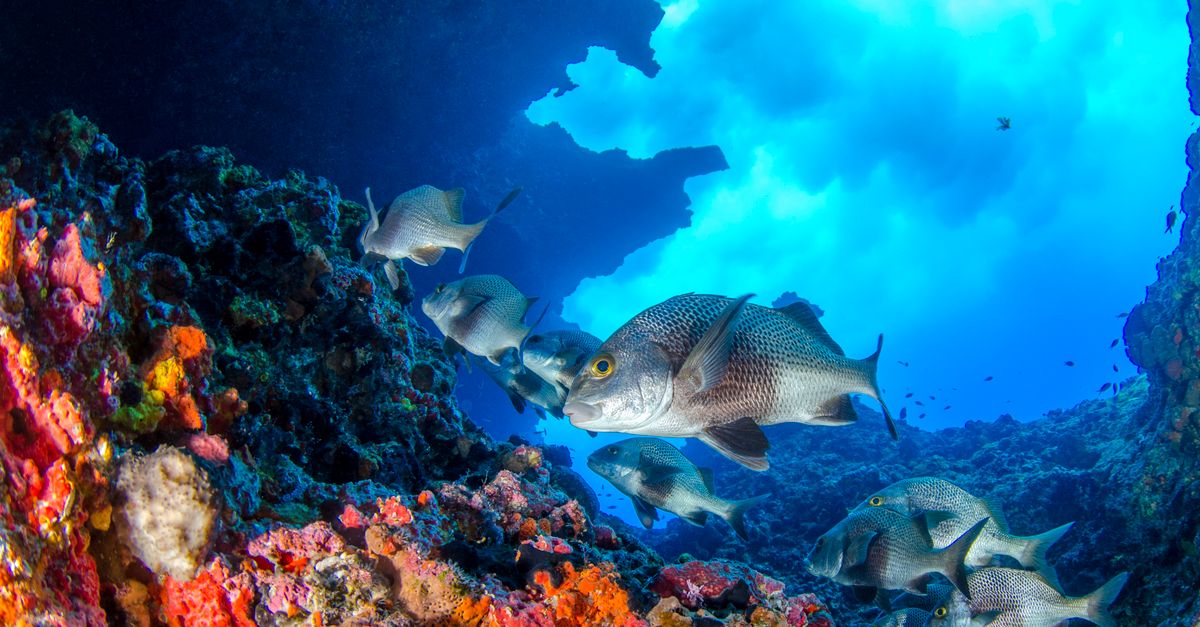
Start With The Dive You Want To Protect
Before booking flights, write down the trip priority: calm first ocean dives, schooling fish, macro photography, liveaboard range, warm water, or a specific site. That priority tells you which seasonal tradeoff is acceptable and which one breaks the trip.
For example, lower visibility may still be fine for a training-focused reef trip with short boat rides and a patient operator. The same forecast can disappoint a wide-angle photography trip that depends on clear blue water and long sight lines.
Season Visibility And Temperature Planning Table
| Check | Evidence | Next move |
|---|---|---|
| Visibility window | Operator reports, recent trip logs, seasonal runoff, and plankton timing | Decide whether the trip goal still works if visibility is average rather than best-case |
| Water temperature | Monthly ranges, thermoclines, and exposure suit recommendations | Match wetsuit or drysuit needs to the coldest likely dives, not the warmest surface day |
| Current and sea state | Tide timing, monsoon patterns, sheltered alternatives, and diver experience level | Ask which sites are used when primary sites are blown out or too strong |
| Operator backup plan | Cancellation policy, alternate sites, nondiving days, and rental gear availability | Book with the operator whose backup plan fits your confidence and budget |
Use Safety Sources Before Marketing Copy
The Divers Alert Network safety resources are a better boundary for diver readiness than destination hype. PADI Travel can be useful for comparing operators and destination seasons, but current local conditions still need direct confirmation from the dive shop.
Dive Nomadic covers first-trip basics in the first dive trip planning checklist and operator choice in the dive operator selection guide. This article sits between them: it helps decide whether the calendar dates fit the water conditions.
Worked Example: Warm Water Versus Clear Water
Take a diver choosing between two weeks. Week A is warmer but sits near the start of rainy season. Week B is cooler by a few degrees but historically has steadier visibility. The weak choice is to pick the warmer week because it sounds easier. The better choice is to ask what would disappoint the group more: a thicker wetsuit or murkier water.
If two divers are nervous about cold and one cares most about photography, the plan may split: choose Week B, reserve thicker exposure protection, and confirm sheltered reef alternatives. If the group is new and comfort matters most, choose Week A but avoid selling it as guaranteed clear-water diving.
Also separate destination season from day-by-day dive choice. A destination can be broadly in season while a specific site is still wrong for the group because of swell direction, a recent storm, cold upwelling, or a current window that favors advanced divers. Ask operators which sites they would choose for your certification level during the exact month you are considering.
Budget belongs in the condition conversation too. Thicker exposure protection, extra rest days, private guiding, or a flexible cancellation policy can make a shoulder-season trip work, but those costs should be visible before booking. A cheaper week is not cheaper if the group has to skip dives it was not ready to handle.
Book The Conditions You Can Live With
No season note removes uncertainty. A good plan names the acceptable range before money is committed: minimum visibility, coldest water you are equipped for, current level the group can handle, and the operator response when conditions change. That is what turns seasonal research into a dive travel decision.