
Divers planning a first SS Thistlegorm trip usually obsess over the wreck — depth, current, penetration — and then discover, usually at an airport, that the trip was actually decided by logistics: which airport connects sensibly to Sharm El Sheikh, whether the boat runs on the day you land, whether the marine park permit is included or a separate queue, and how many dive days you truly have once travel eats the edges. This article is the unglamorous half of the planning job, and it is the half that separates trips where you dive the wreck twice from trips where you watch it from a lounger. Pair it with the two decision articles around it — the booking questions that decide your Thistlegorm trip and a readiness check for the dive itself — because logistics, operator quality, and personal readiness are three separate checks that each deserve their own honest pass.
The frame for everything below: plan backwards from the wreck day, and treat every flight, transfer, and permit as a potential single point of failure with a cheap mitigation.


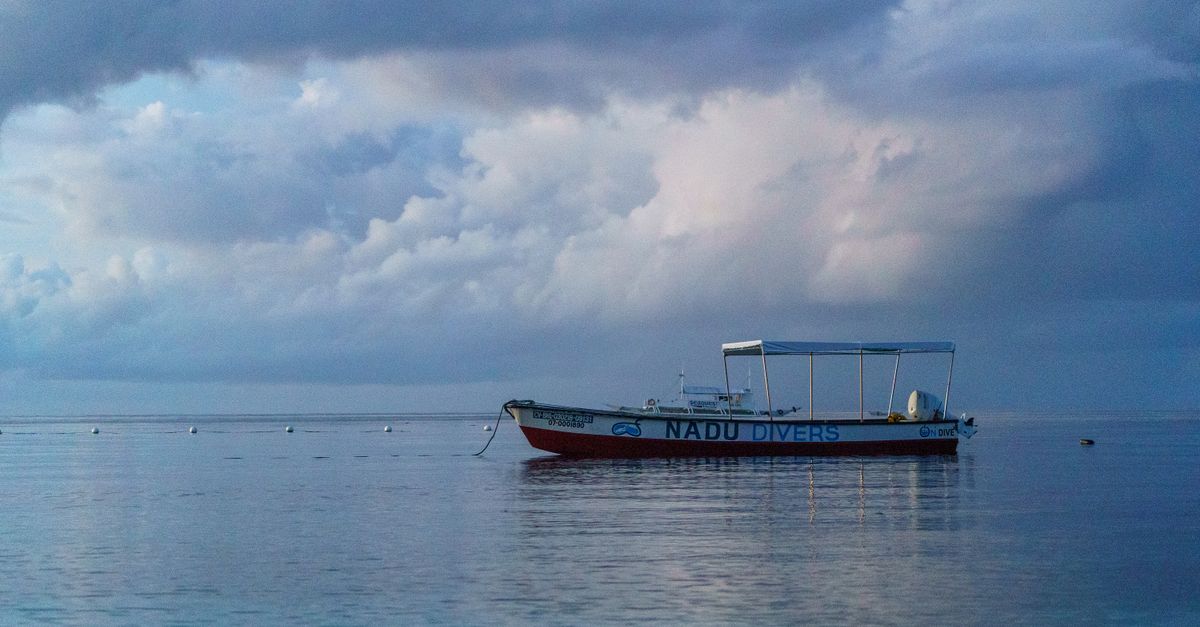
Getting There: Flights, Transfers, And The Buffer Day Rule
Sharm El Sheikh is the only airport that matters for a Thistlegorm trip, and it is served unevenly — direct scheduled flights from some European cities, charters in season, and everything else routed through Cairo with a domestic hop. Three rules keep this painless. First, never plan a boat departure on the same calendar day you land; the buffer day rule exists because one delayed leg should cost you a hotel night, not your only weather window on the wreck. Second, book the dive operator before the flights, not after, because boat schedules — especially day boats to the Strait of Tiran and back — dictate which arrival days actually work. Third, sort traveling with your own dive gear around the same itinerary: regs and computers go in hand luggage, and anything the airline misplaces must be rentable in Sharm, which is easy for standard kit and painful for anything unusual. Arrive a day early, check in at the dive center the same evening, and confirm the next morning departure time in person rather than by assumption.
Two more transfer details worth handling before departure: ask whether the operator includes hotel pickup — many Sharm boats collect from lobby areas on a fixed schedule — and photograph your packed kit bag, because crew matching thirty identical black duffels to thirty divers at 6am work faster from photos than from spoken descriptions.
Permits, Fees, And Paperwork Before The First Splash
The Ras Mohammed marine park permit is the paperwork people forget because operators handle it differently: some bundle it into the trip price, some collect it cash on the boat, and some expect you to have arranged it at the park gate. Ask your operator explicitly which model applies, in writing, before you travel. Beyond the permit, carry the standard Egyptian practicalities: passport validity well beyond the trip, the visa-on-arrival fee in clean dollars if your nationality uses that route, and travel insurance that names scuba diving to your actual depth — a generic policy that caps at eighteen meters is a paperwork problem waiting to happen at thirty. Photograph every document and keep copies in your dry bag. None of this is difficult; all of it is annoying precisely when skipped, and the fix is a single fifteen-minute checklist run a week before departure. For the visa specifically, the Egyptian government’s official e-visa portal lists current rules by nationality and is worth checking even if you plan visa-on-arrival, and for insurance that names your real depth, a diving-specific policy through an organisation like Divers Alert Network is the standard most liveaboard operators expect to see before they let you roll backwards off the zodiac.
Worked application: a diver books a Thursday charter into Sharm with a Friday boat departure, assuming the bundle covers everything. In the pre-departure checklist call, the operator confirms the boat leaves Saturday, not Friday, and that the park permit is cash-on-board while the site fee is prepaid. She moves one hotel night, splits the cash into two envelopes, and lands Thursday with two full buffer days. Saturday delivers a calm morning at the wreck with one penalty: a German diver who arrived Friday missed the boat entirely and spent his wreck day on a house reef.
Sequencing The Dive Days You Actually Have
Most travelers get four to six dive days once travel eats the edges, and sequencing decides what those days become. Put your easiest, shallowest day first — a check dive and reef familiarization — because it surfaces gear problems and jet lag honestly. Put Thistlegorm on the earliest day with a workable forecast rather than saving it for last, since wind cancellations are the norm, not the exception, and a lost day at the front leaves recovery days behind it. Book the wreck for morning dives when the light and the current cooperate, and let afternoons absorb the overflow if conditions hold. Keep one non-committal day at the back of the trip with nothing prepaid, which turns a cancellation into a reschedule instead of a refund argument. And remember the wreck is a two-dive-day when it goes well: most operators run the outside tour on the first dive and penetrations second, so plan gas, exposure, and lunch around a long day at sea rather than squeezing it between other commitments.
Day Boat Or Liveaboard: Let The Logistics Decide
The wreck question people ask first — day boat or liveaboard — is usually answered by their logistics, not their preference. Liveaboards win when your flights land cleanly, your seasickness tolerance is real, and you want the Thistlegorm plus the Strait of Tiran in one trip; they lose when a flight delay costs you the boat’s fixed departure, which is the buffer-day rule wearing a different hat. Day boats win when your hotel is in Sharm, your schedule needs slack, or your non-diving travel companions want evenings in town; they lose when a wind day cancels, because a cancelled day-boat slot rarely rebooks tomorrow. Count your buffer days honestly and the choice usually makes itself — the liveaboard brochure will not do this arithmetic for you.
If you take one rule from this whole article, take the buffer day rule — never land and boat on the same day. Everything else on the list is detail; that one is the difference between a trip that bends around a delay and a trip that breaks on one.