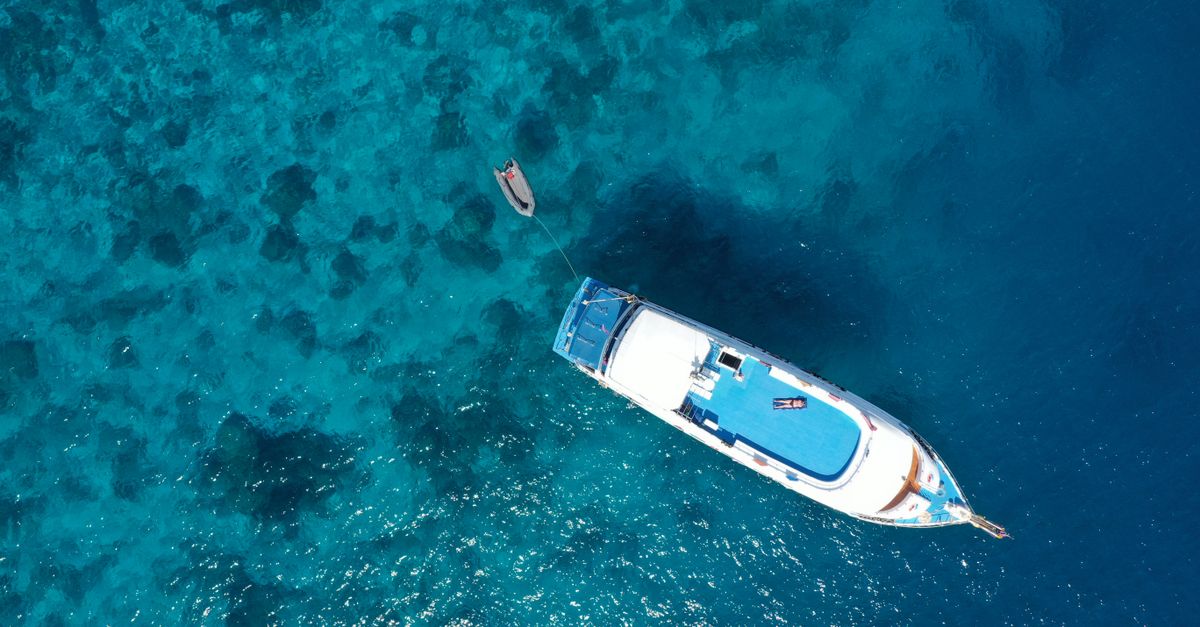
A liveaboard and a dive resort are not competing versions of the same trip. They are different ways of spending every day around diving. Choose a liveaboard when the best sites need boat access, repeated dives, and a schedule built around the water. Choose a dive resort when shore comfort, rest days, non-diving companions, and easier schedule control matter more than maximum dive count.
The mistake is comparing only the highlight photo or package price. A liveaboard can make a remote wreck or reef feel easy because the boat is already there. It can also make the week feel tight if the cabin, motion, charging rules, or daily pace do not fit you. A resort can feel gentler and more flexible, but it may also mean longer transfers or fewer chances at sites that sit far offshore.
Choose By The Day You Want To Repeat
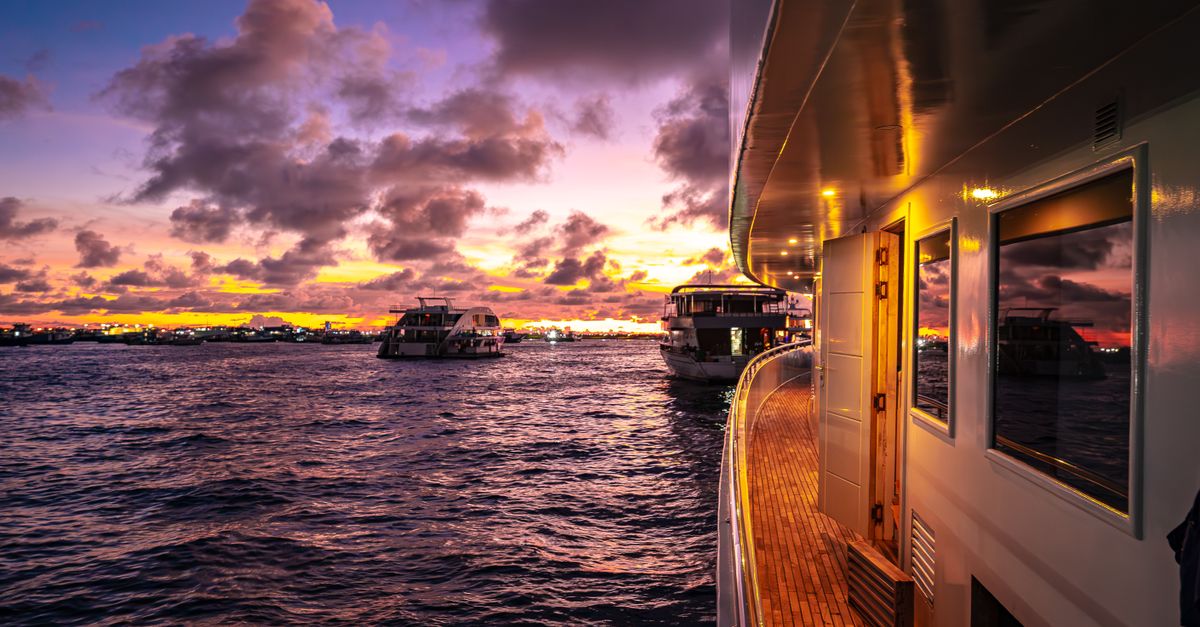
Before looking at boats and rooms, picture the third full day of the trip. Do you want to wake up on the dive platform, eat between dives, and let the route define the day? That points toward a liveaboard. Do you want a slower breakfast, a choice to skip the afternoon dive, easier meals, and a real room at night? That points toward a resort.
Neither answer is more serious. The better answer is the one that keeps you rested enough to make good decisions. A diver who has not been in the water for a year may get more value from two calm resort dives than from four boat dives that look impressive on paper. A wreck-focused diver with recent practice may feel the opposite. If that answer points toward a boat-based week, move next to the PADI liveaboard booking checklist before comparing specific operators.
Remote Access Is The Liveaboard Advantage
Liveaboards earn their keep when access is the whole point: offshore reefs, remote walls, early-morning moorings, wreck routes, or regions where day boats spend too much time commuting. If the itinerary reaches sites that a resort cannot reach comfortably during your dates, the boat may be the simpler choice even if the cabin is modest.
Ask how often the route changes, what weather usually changes first, and whether the operator still gives a good week if the headline site is skipped. A strong liveaboard plan is not fragile. It has backup sites, clear safety briefings, reasonable charging rules, and a culture where sitting out a dive is normal rather than embarrassing.
Resort Comfort Is Not A Downgrade
A dive resort can be the stronger diving decision when rest and control matter. Resorts usually make it easier to add a non-diving day, travel with a non-diving partner, manage seasickness, eat differently, or stop when confidence dips. That flexibility can protect the whole trip, especially after long-haul travel or when the first dive reveals that conditions are more demanding than expected.
The resort question is access. Ask how far the sites are, whether the best diving is shore-based or boat-based, how weather changes the daily plan, and whether transfers are included. A comfortable room does not help much if every dive day starts with logistics the operator did not explain.
A Real Wreck Test: SS Thistlegorm
The SS Thistlegorm day trip vs liveaboard comparison is a useful pressure test because the same wreck can support different answers. A Sharm-based diver with limited days may choose a day trip if the operator gives clear timing, guide ratio, and backup-site answers. A wreck-focused diver may choose a northern Red Sea liveaboard because repeat dives and route context matter more than sleeping ashore.
That is the point of the format decision. The wreck did not change. The diver, schedule, recovery time, and tolerance for boat life changed. If a famous site is driving the whole trip, use that site to test the format before you pay.
Dive Trip Format Decision Table
Use this table after you know the sites you want. It is less about declaring a winner and more about finding the first detail that would make the trip easier or harder for your actual group.
| Decision pressure | Liveaboard is stronger when | Dive resort is stronger when |
|---|---|---|
| Site access | The best reefs, wrecks, or walls are remote and day boats would lose too much time. | The best sites are close enough for daily boats or shore dives with reliable conditions. |
| Daily pace | You want several dives a day and the trip can revolve around diving. | You want rest days, late starts, mixed activities, or less pressure to dive every slot. |
| Comfort between dives | Cabin size, food, motion, shared space, and charging rules all sound acceptable. | A real room, shore meals, personal downtime, or non-diver comfort would protect the week. |
| Flexibility | A fixed route is part of the value and backup sites still sound worthwhile. | You need easier cancellation, skipped days, local alternatives, or simpler schedule control. |
Weak Booking Logic And Better Booking Logic
Weak logic sounds like this: the liveaboard has more dives, so it must be better. Better logic asks whether the extra dives are dives you will actually enjoy, whether the hardest site fits your recent practice, and whether the boat routine sounds good after several days, not just on the first afternoon.
Weak logic also says the resort is safer because it is on land. Better logic asks whether the resort operator explains site choice, guide ratio, shore or boat entries, current, emergency procedures, and weather changes clearly. Land comfort helps, but the dive plan still needs to stand on its own.
Worked Format Check: Remote Wreck Or Resort Week
Suppose a diver has seven nights, three recent boat dives, a non-diving partner, and the SS Thistlegorm on the wish list. The liveaboard option offers four dive days before the wreck and a chance at repeat dives. The resort option offers two planned boat days, easier rest, and a partner-friendly base. The better first question is not which trip has more dives. It is whether the diver wants the whole week to bend around the wreck.
If the answer is yes, the liveaboard deserves a serious look, but only after checking cabin comfort, skipped-dive culture, charging rules, and route backup. If the answer is no, the resort may be better even with fewer dives, especially if the partner experience and rest days protect the trip. After that decision, the diver can use the PADI liveaboard planning checklist or the operator question script to verify the booking details.
Questions That Should Change The Answer
Ask the operator which site is the hardest on the itinerary, what experience they expect for that site, how many dives per day are normal, how skipped dives are handled, and what changes when weather closes the planned route. For a liveaboard, add cabin details, seasickness assumptions, battery charging rules, fire briefing, oxygen, and emergency communication. For a resort, add transfer time, shore-entry difficulty, boat-day comfort, and non-diver options.
If those answers make the trip sound calmer, continue comparing price and dates. If the answers make the trip sound narrower or more tiring than the sales page, change the format before you change your standards.
Sources And Boundaries For The Final Call
Use DAN travel resources, DAN safety resources, and DAN health and medicine resources when the decision touches travel risk, medical fitness, emergency planning, or dive safety. This article can help compare formats, but site conditions, training limits, medical questions, and emergency decisions belong with qualified dive professionals, medical professionals, and the local briefing.
The useful standard is simple: choose the format that makes the full week more honest. More dives are not better if they make you tired and reactive. More comfort is not better if it hides weak site access. The best dive trip format is the one that gives the divers enough access, rest, and margin to make conservative decisions every day.