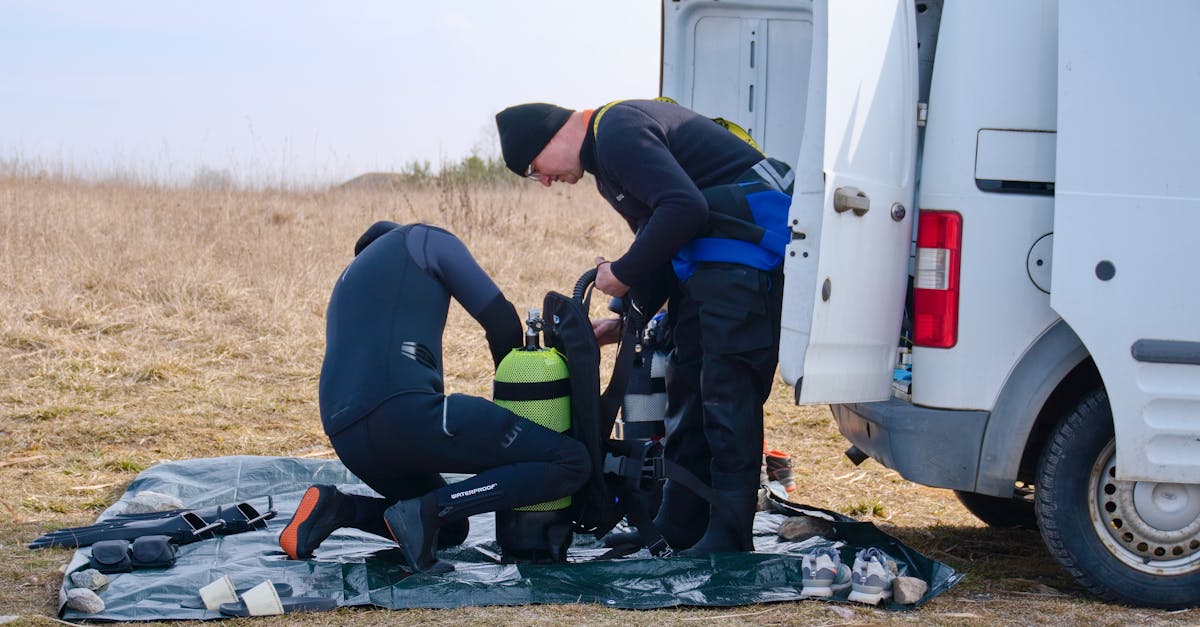
A useful dive trip packing list separates what you must carry from what you can check or rent. Start here for the full trip system, then use the carry-on dive gear checklist for documents, batteries, mask, computer, prescriptions, and first-dive essentials. Use the warm-water dive trip packing checklist when tropical sun, drying gear, rash protection, hydration, and reef-aware choices change the bag.
For gas-planning and weighting conversations after the packing list is settled, use Dive Nomadic resources as pre-trip planning aids. They do not replace dive computers, training, medical advice, decompression planning, local briefings, or qualified dive professionals.
The best scuba dive trip packing list is not the longest one. It is the list that protects the first dive day, keeps irreplaceable items close, and leaves room for the operator, airline, weather, and destination rules that can still change. Use this page to bring the packing decisions together, then keep destination-specific requirements with the relevant operator confirmation.
Use this article as the master packing system. If you are planning a tropical trip, the warm-water dive trip packing checklist adds climate-specific detail. If you are only deciding what belongs in the cabin bag, use the carry-on dive gear packing checklist.
Download The Printable Scuba Packing PDF
The article explains the logic; the PDF is the floor-next-to-the-suitcase version. Download the printable scuba dive trip packing list PDF, then mark what you will carry on, check, rent, buy locally, or deliberately leave behind.
Run the PDF twice. The first pass happens while you still have time to buy a spare mask strap, confirm a rental size, or replace a dive-computer battery. The second pass happens the night before the first dive day, when quiet failures show up: charger left at home, certification app not available offline, or operator pickup details buried in an email thread.
Carry-On First: The Items That Protect Dive Day One
Pack backward from the first dive morning. The highest priority items are the ones that are hard to borrow, hard to fit, or hard to rebuild at the destination: mask, prescription lenses, dive computer, certification proof, insurance details, medication or health documents handled with professional advice, swimsuit, rash guard or exposure layer, and the operator contact details.
Regulators and camera bodies are personal calls based on weight, airline rules, and replacement difficulty. Fins, BCDs, thick wetsuits, and bulky accessories can often be checked or rented if the operator has confirmed size and setup. The point is not to carry everything. It is to keep the trip from failing because one personal-fit item went missing.
Rental Gear And Checked Gear Belong In The Same Decision
Rental gear is not a shortcut; it is a decision. Confirm BCD size, regulator setup, DIN or yoke, wetsuit thickness, boot and fin style, integrated weights, dive computer expectations, SMB requirements, torch requirements, and whether nitrox-compatible gear is available if you plan to use nitrox. If a rental answer is vague, carry the item that would be hardest to replace.
Checked gear should be boring and durable: fins, BCD, exposure suit, boots, mesh bag, reef-safe toiletries, spare clothing, and rinse-friendly accessories. Protect masks, computers, and regulators from crushing even if they are not all in the cabin bag. DAN gear-care guidance is a useful reminder that maintenance and careful storage are part of safer travel, not just neat packing.
Save-A-Dive Kit List
| Kit Item | Problem It Solves | Before You Pack It |
|---|---|---|
| Mask strap or spare mask | A broken or leaking mask can cancel the first dive faster than most bulky gear failures. | Check fit, prescription needs, and whether the spare has been defogged or cleaned. |
| Computer battery, charger, or cable | A dead computer creates stress before the first briefing. | Follow the manufacturer instructions and airline battery rules. |
| O-rings and small clips | Minor hose, camera, or accessory issues become easier to solve on the boat. | Bring only what you know how to identify and use. |
| SMB, whistle, and spool if required | Surface signaling may be required by the operator or destination. | Confirm the exact operator expectation before travel. |
| Seasickness, sun, and hydration plan | Surface intervals can be harder than the dive if heat and motion are ignored. | Handle medication decisions with appropriate professional advice. |
Keep the save-a-dive kit small. A tiny kit you understand beats a heavy pouch full of parts you will not use. If a repair changes life-support equipment, hand it to the operator or a qualified technician. Your kit is for simple, known failures and comfort protection, not improvised gear servicing.
Tropical Vacation Packing Add-On For Divers
A tropical vacation packing list for divers needs more than swimwear. Add sun protection, a rash guard or UPF layer, dry bag, lightweight towel, reef-aware sunscreen where appropriate, hat, sunglasses, hydration bottle, ear-care items if you already use them with professional guidance, and a plan for drying gear between dives.
The National Park Service and NOAA both recommend reducing reef-harming sunscreen exposure by using protective clothing and careful product choices. Local rules still matter: some destinations restrict gloves, knives, reef hooks, drones, or sunscreen ingredients. That is why the final notes area in the PDF exists. It gives you a place for destination-specific rules instead of pretending every reef trip is the same.
Battery, Light, And Airport Rules To Check
Dive computers, camera systems, strobes, lights, power banks, and rechargeable accessories can turn packing into a transport-rule problem. The FAA PackSafe chart treats diving lamps and other battery-powered heat-producing devices as items that may require airline approval and protection from accidental activation. Spare lithium batteries and power banks also need rule checks before you fly.
Do not leave battery rules for the airport line. Check the airline, destination, and manufacturer guidance while you can still repack. For a liveaboard, also ask about onboard charging stations and cabin charging restrictions; DAN liveaboard safety tips call out rechargeable battery protocols as part of boat safety.
Boat-Day Bag And Last Walkthrough
Separate the boat-day bag from the suitcase before the first pickup. It should hold certification proof, insurance details, water, sun layer, dry bag, small cash if appropriate, camera or phone plan, seasickness plan, towel, spare mask or strap, and anything the operator told you to bring for that day.
The last walkthrough is simple: first dive morning, rental assumptions, battery rules, documents, health items, sun and surface interval comfort, and destination-specific restrictions. If an item does not support one of those moments, it can probably stay home. If a missing item would threaten the first dive day, it belongs in carry-on, in the save-a-dive kit, or in a confirmed rental note.
External references used for this refresh include the DAN Smart Guide to Travel, the FAA PackSafe chart, National Park Service sunscreen guidance, and NOAA coral reef sunscreen context. Use those sources for rule-aware packing, then confirm the final details with your airline and dive operator.
Mark Unconfirmed Rental Items Before Closing The Bag
For example, mark a rental computer as unconfirmed until the operator has answered whether one is available for your dates and suitable for your planned diving. Keep that answer beside the packing list. If the item remains uncertain, resolve it with the operator before departure rather than treating an unchecked box as an equipment plan. Use the rental-versus-own-gear guide when fit, familiarity or baggage space changes the decision.