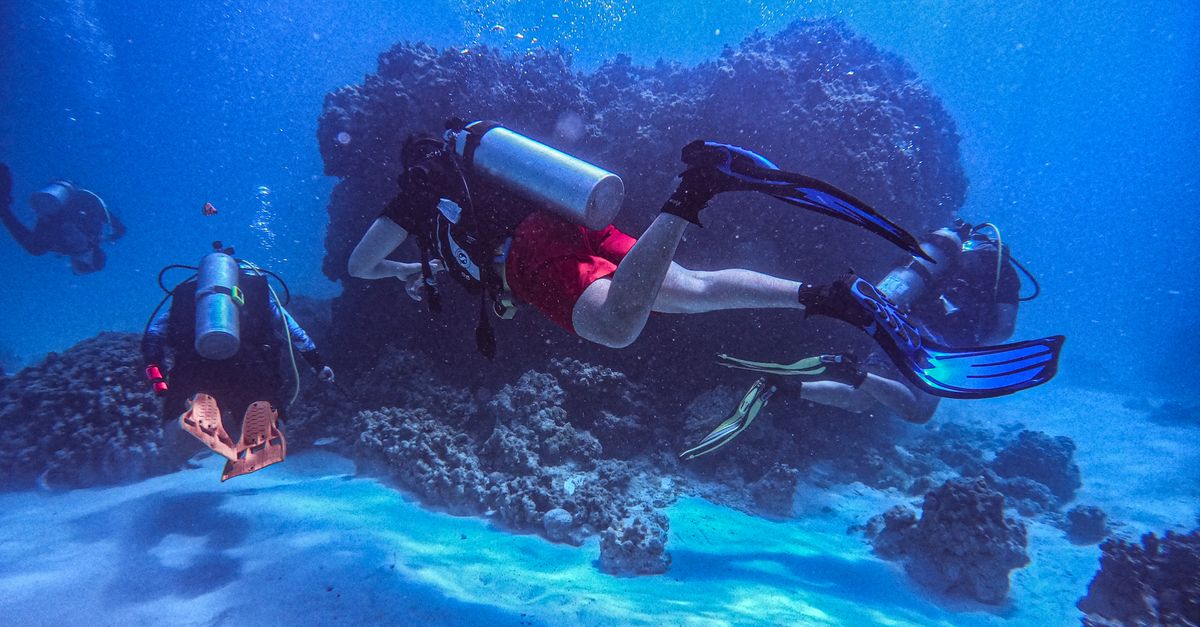
The best dive destination is not always the most famous reef or wreck. It is the place where the diver’s recent practice, comfort in the water, operator support, and likely conditions line up. A destination can be beginner friendly in one season and demanding in another when current, visibility, entry style, or boat procedures change.
Start with the diver who is actually going, not the diver the brochure imagines. Count recent logged dives, comfort with buoyancy, boat entries, current, low visibility, rental gear, and how easily the diver asks to sit out. Skill fit is partly certification, but it is also recency, confidence, and the operator’s willingness to adjust the plan.
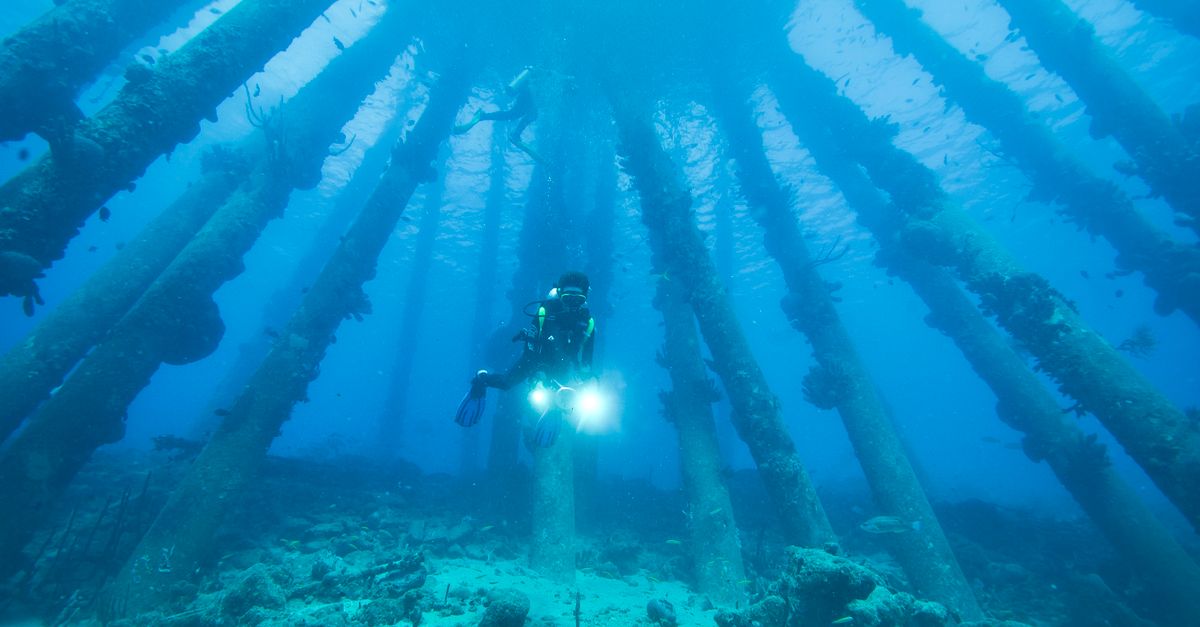
Separate Certification From Recent Comfort
Certification sets a minimum training baseline; it does not prove readiness for every site at that level. A newly certified diver who has not been in the water for a year may need a calm checkout dive before joining a deeper wall dive. An advanced diver who has been diving monthly may handle a destination with more variables, provided the operator briefs the hazards clearly and offers conservative alternatives.
This is where many trips go wrong: the destination is judged by maximum depth or photo appeal instead of the least confident diver’s real margin. A good comparison asks whether the first dive of the trip gives that diver room to settle, check weighting, and decide whether the rest of the plan still makes sense.
Skill-Fit Dive Destination Comparison Matrix
Use the matrix as a worked comparison before booking. Give each destination a plain-language note rather than a score that hides uncertainty. If an answer depends on season, operator, or recent weather, mark it as a question to confirm rather than a fact.
| Decision point | Beginner-leaning destination | More demanding destination |
|---|---|---|
| First dive | Shallow reef, easy descent, clear exit plan, guide close by | Checkout dive required before deeper sites or current-sensitive dives |
| Conditions | Predictable visibility, mild current, short boat ride | Variable current, surge, blue-water descent, or long surface intervals |
| Operator support | Small groups, rental fit help, conservative site choice | Detailed briefings, alternate sites, and clear permission to skip dives |
For example, a diver with twelve recent warm-water reef dives might compare a sheltered reef resort with a current-prone liveaboard route. The second trip may be possible, but only if the operator confirms checkout options, group ratios, and less demanding alternatives. Without those answers, the safer choice is the destination that keeps the first two dives easy and leaves room to build confidence.
Ask Operators About The First Two Dives
Operator answers often reveal more than destination labels. Ask what sites are normally used for first-day dives, how groups are split by experience, whether private guiding is possible, what happens when current is stronger than expected, and how rental gear issues are handled. The Divers Alert Network safety resources are a useful outside reference because they keep the discussion tied to conservative diving practices rather than travel hype.
Also compare the non-diving logistics. Long transfers, jet lag, tight connection days, and pressure to dive every scheduled slot can reduce judgment. A destination that looks equal underwater may be worse for a first trip if the arrival plan leaves no rest before the checkout dive.
Use Nearby Dive Planning Guides Together
Destination fit overlaps with operator choice. Before committing a deposit, pair this comparison with How To Choose A Dive Operator For Your First Dive Trip. The destination sets the range of possible conditions; the operator determines how those conditions are handled day by day.
The Decision To Make Before Paying
Choose the destination where the least confident diver can describe the first dive, the backup plan, and the reason they would skip a dive without embarrassment. That standard may rule out a spectacular trip for now, but it protects the trip from becoming a test of pride. The right destination is the one that leaves the diver wanting the next dive, not recovering from the last one.