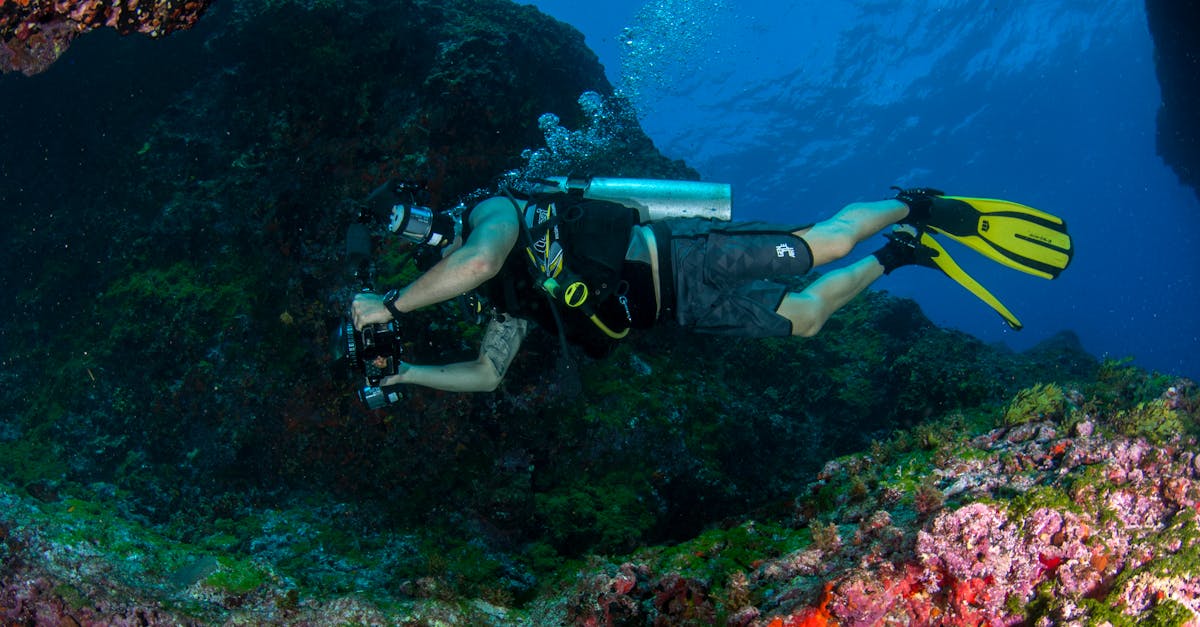
A first dive trip is easier to plan when the exciting parts are filtered through training, recent practice, current conditions, and realistic travel energy.
Cover certification fit, operator checks, seasonality, gear logistics, insurance, local rules, and when to ask a qualified dive professional.
Quick Answer
Plan the trip around fit before scenery: certification, recent dives, operator support, season, gear logistics, insurance, and the local details that still need a professional answer.
Build The Trip Around Dive Fit
Newer dive travelers should be able to explain why the plan fits them before they book it. That means checking the actual diving day, not only the destination name or highlight photo.
How To Use This Guide
Use this guide before committing time, money, trust, or attention to scuba dive trip planning. The point is to make the next step specific enough to act on, then pause where the decision needs local facts, professional judgment, or more evidence than a general article can provide.
Match The Trip To Recent Practice
Certification cards do not describe comfort, current fitness, or how long it has been since the last dive. Recent practice is the better starting point for choosing sites, operators, and pace.
- Write down certification level, last dive date, total dives, and the conditions that still feel comfortable.
- Treat depth, current, entry style, boat routine, and visibility as separate fit questions.
- Choose a gentler schedule when the trip includes jet lag, new gear, or a long break from diving.
- Ask about refresher options when confidence or recent experience is thin.
Ask Operator Questions Before Price Questions
The right operator answers fit questions clearly. Group size, guide ratios, site choice, rental gear, and how plans change with weather matter before the cheapest package does.
- Ask how divers are grouped by experience and comfort.
- Confirm whether site choice changes for newer divers when conditions shift.
- Check what the briefing covers and how much support is available before and after each dive.
- Keep unclear answers in the comparison notes instead of smoothing them over.
Plan Around Season And Surface Logistics
A dive trip is also a travel day. Weather, transfers, rest, meals, equipment handling, and surface intervals can make a technically possible itinerary feel rushed.
- Check seasonal weather, water temperature, visibility patterns, and transport reliability.
- Leave time around arrival, departure, and any intense dive schedule.
- Compare the full day from wake-up to return, not just the time underwater.
- Keep a backup activity for days when boats, weather, or energy change the plan.
Separate Gear Comfort From Gear Convenience
Some gear is worth carrying because fit and familiarity affect comfort. Other items can be rented when the operator has reliable equipment and baggage space is limited.
- Prioritize mask, computer, certification cards, logbook access, and any personal medical documents.
- Ask about rental gear age, service, sizing, and reservation process.
- Check airline battery and luggage rules before packing electronics.
- Add dive insurance and trip insurance decisions to the planning list instead of leaving them for the airport.
Practical Checklist
- Confirm certification fit, recent practice, and comfort limits before comparing destinations.
- Ask the operator about group size, guide ratio, site choice, gear, briefings, and cancellation terms.
- Check season, water temperature, visibility patterns, transfers, and rest days.
- Decide which personal gear must stay with you and which bulky items can be rented.
- Keep qualified dive professionals responsible for training, health, emergency, and site-safety decisions.
After using the checklist, the current situation, next practical step, and detail that could change the decision should be clear. If those pieces are still unclear, the better move is to simplify the plan before adding more options.
Common Mistakes To Avoid
- Choosing the destination first and trying to force the dive plan to fit afterward.
- Letting a low package price hide rental fees, transfers, park fees, tips, or cancellation risk.
- Assuming certification level alone proves a trip is appropriate.
- Skipping local confirmation because an old trip report sounded confident.
When one of these mistakes is already present, treat it as a signal to slow down and clarify the assumption underneath it. A smaller decision with cleaner facts is usually more useful than a bigger decision built on guesswork.
When To Get Outside Help
This article is for travel planning and decision support. It is not dive instruction, medical advice, decompression guidance, emergency advice, or a replacement for a local briefing.
- The expected conditions exceed the diver's training, recent practice, fitness, or comfort.
- Health, medication, injury, anxiety, or fitness questions affect the plan.
- The operator cannot clearly explain conditions, guide ratios, gear, or cancellation terms.
- A site-specific safety decision depends on current local conditions.
Limits To Keep In Mind
- make trip logistics easy to compare
- separate travel planning from dive instruction or emergency advice
- explain certification, skill, and operator assumptions
Review the decision again after the first real result appears. Good guidance should make the next review easier because it leaves a clear comparison between what was expected, what actually happened, and which constraint mattered most.
Related Guides
- Read next: Beginner-Friendly Dive Destinations: A Practical Planning Checklist.
- Read next: Carry-On Dive Gear Packing Checklist For Dive Travel.
- Read next: How To Choose A Dive Operator For Your First Dive Trip.
Final Takeaway
A good first dive trip plan is not timid; it is honest. The right trip fits the diver, the operator, the season, and the local briefing on the day.