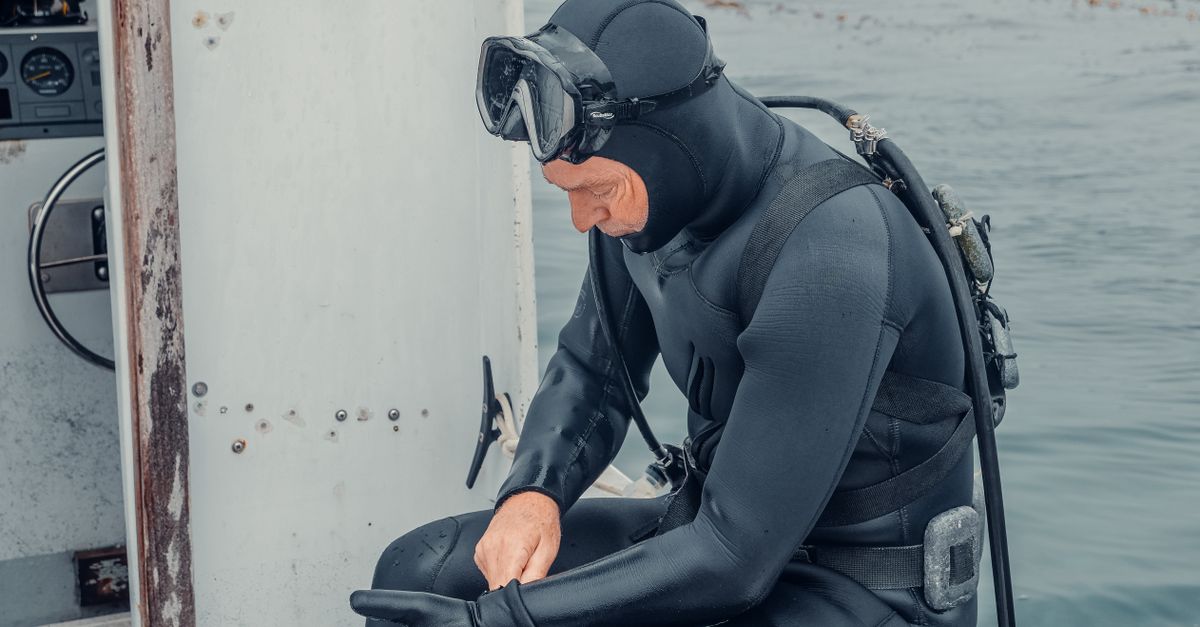
A first dive trip is easier to enjoy when the operator is chosen for safety and communication, not only for price or pretty photos. The right shop should make the day feel predictable before you pay: what the site is like, who leads the dive, what happens if conditions change, and how they handle a diver who is nervous or rusty.
This guide is for certified divers comparing real operators for a first trip away from home. It does not replace training, medical clearance, or local professional judgment. If a dive plan feels beyond your certification, fitness, recent experience, or comfort, the safer choice is to change the plan.
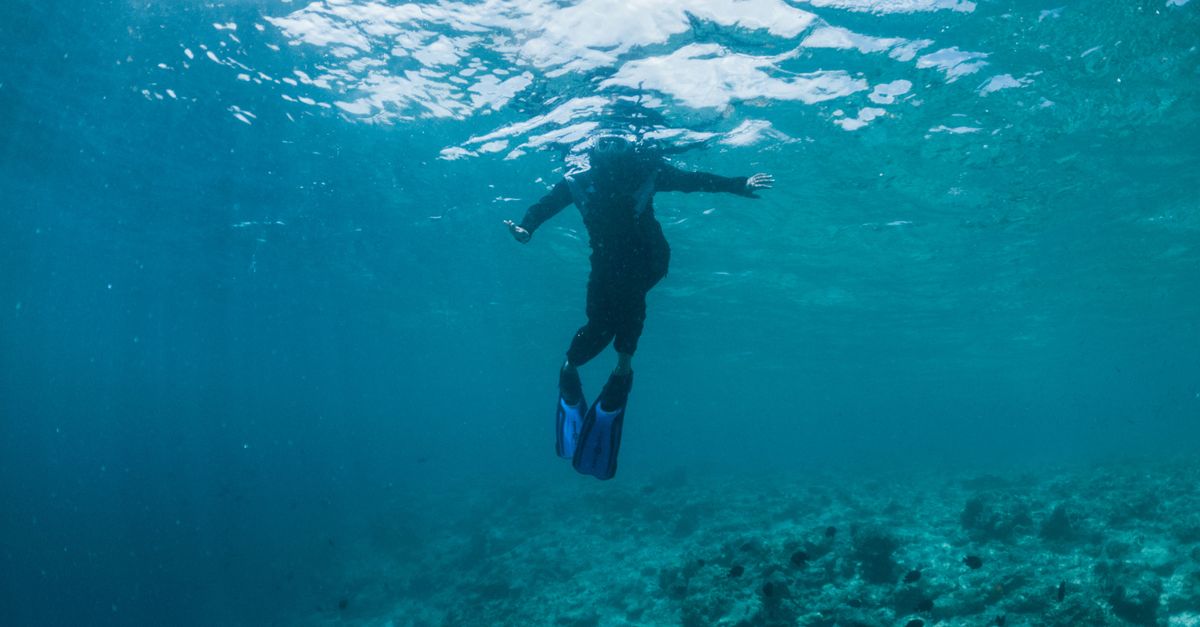
Ask About The Actual Dive Day
Start with the schedule. Ask where the boat or shore entry meets, how long transfers take, how many dives are planned, whether lunch and water are included, and when the operator makes the final weather call. A good answer does not need to be fancy; it needs to be specific enough that you can picture the day.
For example, “two morning reef dives for recently certified divers, maximum six guests per guide, final site chosen after the morning forecast” is more useful than “great dives for all levels.” Specifics show whether the operator is matching the plan to the group instead of selling the same trip to everyone.
Compare Safety Briefings And Group Size
Ask what is covered in the briefing: entry and exit, current, depth, route, signals, gas checks, lost-buddy procedure, ascent plan, surface marker use, and marine-life rules. Also ask whether a guide stays with the group and how many divers are assigned to one guide. Group size is not automatically good or bad, but a vague answer is a warning sign.
Check Rental Gear Before The Deposit
If you need rental gear, ask what is included, how sizing is handled, whether computers are available, and what happens if something does not fit on the day. Rental gear does not have to be new, but it should be maintained, checked, and matched to the diver before the boat leaves.
How To Choose A Dive Operator For: Decision Evidence Table
| Question | Strong answer | Reason it matters |
|---|---|---|
| Who leads the dive? | Named role, guide ratio, and support plan | Shows how supervision is organized |
| How are sites chosen? | Conditions, certification, and recent experience are considered | Prevents a beginner trip from becoming a mismatch |
| What if weather changes? | Clear cancellation, reschedule, or alternate-site policy | Reduces pressure to accept a poor plan |
Worked comparison: two operators offer the same reef trip. One says the site is suitable for everyone and asks for payment. The other asks when you last dived, confirms maximum depth, explains the guide ratio, describes the current pattern, and names the weather backup. The second operator may not be cheaper, but the answers make the risk easier to judge. For a first trip, that clarity is part of the product you are buying.
Use Official Standards As A Backstop
Training agencies and local rules are useful reference points when an operator answer feels thin. Compare the plan with your certification limits, your recent experience, and basic recreational-diving guidance from organizations such as PADI, Divers Alert Network, and the destination’s marine-park or tourism authority when relevant.
If you are still comparing options, continue with Dive Nomadic guides on first dive trip planning, rental gear versus bringing your own, and questions to ask before booking.
Before sending a deposit, write down the one condition that would make you cancel or reschedule: strong current, poor visibility, a crowded boat, missing rental size, or a site beyond your comfort. A clear operator will respect that boundary and explain the alternative. That conversation is part of choosing the trip, not an awkward extra question.